
Chicago Broken Bone Birth Injury Lawyers
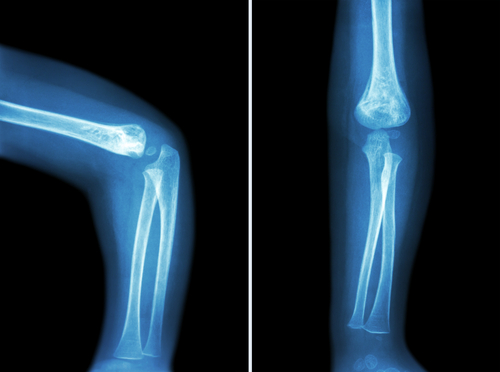 A broken bone during birth can turn what should be a joyful moment into a frightening medical emergency. Newborns are fragile, and difficult labor can place stress on the baby's shoulders, arms, legs, skull, or collarbone. Some fractures heal with limited treatment. Others may be connected to nerve damage, oxygen deprivation, delayed diagnosis, poor delivery decisions, or long-term disability.
Not every newborn fracture is caused by medical negligence. Childbirth can involve unavoidable risks even when doctors and nurses act carefully. But when a doctor, nurse, midwife, hospital, or delivery team uses excessive force, ignores risk factors, delays a necessary C-section, mishandles shoulder dystocia, or fails to diagnose the injury promptly, the family may have a medical malpractice claim.
At Sexner Injury Lawyers LLC, our Chicago broken bone birth injury lawyers help families investigate whether a newborn fracture was caused by negligent labor, delivery, or neonatal care. If your child suffered a broken bone during birth, call (312) 243-9922 for a free consultation.
What Is a Broken Bone Birth Injury?
A broken bone birth injury occurs when a baby suffers a fracture before, during, or shortly after delivery. These injuries may involve the clavicle, arm, leg, skull, ribs, wrist, ankle, hip, or other bones. In many newborn fracture cases, the collarbone is involved because the shoulders must pass through the birth canal and may be exposed to significant pressure during a difficult delivery.
A birth fracture may appear immediately, or parents may first notice a problem after the baby refuses to move one arm, cries when touched, develops swelling, or shows signs of pain during feeding, changing, or dressing. Sometimes a fracture is discovered only after an X-ray, ultrasound, or follow-up examination.
Because broken bones during delivery can overlap with other injuries, parents should also ask whether the baby may have suffered a brachial plexus birth injury, nerve damage, oxygen deprivation, or another condition requiring treatment.
How Broken Bones Can Happen During Labor and Delivery
Birth fractures often occur during complicated deliveries. A baby may be large, positioned awkwardly, stuck behind the mother's pelvis, or under stress after a long labor. Medical providers must recognize these dangers and respond with reasonable care.
Shoulder Dystocia
Shoulder dystocia occurs when a baby's shoulder becomes stuck after the head has delivered. This is one of the most urgent delivery complications because the medical team must act quickly while also avoiding unnecessary traction. Excessive pulling on the head, neck, or shoulders can contribute to fractures, nerve injuries, and other harm.
When shoulder dystocia occurs, doctors and nurses should use accepted maneuvers and communicate clearly. A provider who panics, pulls too hard, or fails to follow recognized delivery steps may increase the risk of a clavicle fracture, arm fracture, brachial plexus injury, or other trauma.
Excessive Force During Delivery
Newborn bones are softer and more vulnerable than adult bones. When a provider applies unnecessary force to the baby's head, shoulders, arms, or legs, a fracture may occur. Force-related injuries may arise during attempts to extract the baby manually, reposition the baby, use forceps or vacuum assistance, or complete a difficult vaginal delivery.
Force alone does not prove malpractice. The key question is whether the provider used more force than a reasonably careful professional would have used under similar circumstances, or whether safer options should have been considered earlier.
Failure to Plan for a C-Section
In some pregnancies, medical information before delivery may suggest an increased risk of difficult vaginal birth. A baby may appear large. The mother may have diabetes. Prior deliveries may have involved shoulder dystocia. Labor may stall. Fetal distress may develop. When these warning signs are present, the delivery team should evaluate whether a C-section is safer than continuing a difficult vaginal delivery.
A delayed or improperly denied C-section may support a birth injury claim if the delay caused a preventable fracture or related harm.
Improper Use of Delivery Tools
Forceps and vacuum devices can sometimes assist delivery, but they must be used carefully and only when appropriate. Improper placement, excessive traction, repeated failed attempts, or continued use despite signs of danger may increase the risk of fractures and other injuries. These cases require close review of the delivery records and fetal monitoring history.
Common Types of Broken Bones in Newborns
The type of fracture can help explain what may have happened during delivery. Some fractures are more common in difficult deliveries, while others may suggest significant trauma or a need to investigate further.
Clavicle Fracture
The clavicle, also called the collarbone, is one of the bones most often fractured during childbirth. A clavicle fracture may occur when the baby's shoulder is compressed during delivery or when excessive traction is used. Some clavicle fractures heal well with conservative care, but the injury should still be promptly diagnosed and monitored.
Parents may notice that the baby cries when the arm is moved, holds one arm still, has swelling near the collarbone, or develops a lump as the bone heals. Because clavicle fractures can occur near important nerves, doctors should evaluate whether the baby also has weakness, loss of movement, or signs of a brachial plexus injury.
Arm or Leg Fractures
A fracture of the arm, forearm, upper arm, femur, or lower leg may occur if the baby is pulled, twisted, or handled improperly during delivery. These injuries may produce swelling, bruising, deformity, pain with movement, or lack of normal movement. An X-ray or other imaging may be needed to confirm the injury.
Skull Fractures
A skull fracture during birth may be especially serious. It may be associated with head trauma, bleeding, brain injury, neurological symptoms, or dangerous delivery-tool misuse. Any suspected skull fracture should be evaluated immediately because newborn head injuries can have long-term consequences.
Fractures Connected to Other Injuries
Some birth fractures are not isolated injuries. A baby who suffered a shoulder injury may also have nerve damage. A baby with a head injury may need evaluation for brain damage. A baby who required emergency resuscitation may have additional complications. When multiple injuries are present, the case may involve both broken bones and a catastrophic injury.
Signs and Symptoms Parents Should Watch For
Newborns cannot explain pain. Parents often recognize that something is wrong by observing movement, crying patterns, swelling, and changes in behavior. Warning signs of a possible fracture include:
- Crying when the arm, leg, shoulder, or collarbone is touched or moved
- Reduced movement of one arm or leg
- Swelling, bruising, or tenderness
- A visible bump or abnormal shape near the collarbone or limb
- Weakness or limpness in one arm
- Difficulty feeding or calming the baby because movement causes pain
- A clicking, popping, or grinding feeling near the injury site
- Delayed discovery of a fracture after discharge from the hospital
If any of these signs appear, parents should seek medical attention promptly. Delayed diagnosis can increase pain, complicate treatment, and make it harder to understand what happened during delivery.
Diagnosis and Treatment of Newborn Fractures
Doctors may diagnose a newborn fracture by physical examination, X-ray, ultrasound, or other imaging. Treatment depends on the bone involved, the severity of the fracture, the baby's symptoms, and whether other injuries are present.
Some newborn clavicle fractures can heal with gentle immobilization and careful handling. Other fractures may require splinting, casting, specialist evaluation, pain management, or follow-up imaging. If nerve damage, skull injury, infection, oxygen deprivation, or other complications are suspected, the baby may require more intensive evaluation and care.
Medical providers should explain the injury to parents, document the suspected cause, provide treatment instructions, and schedule follow-up care. A provider who misses the fracture, fails to document the injury, or dismisses parental concerns may create additional risk for the child.
When Is a Broken Bone During Birth Medical Malpractice?
A birth fracture may become a legal claim when the evidence shows that medical negligence caused or contributed to the injury. The central issue is not simply whether the baby suffered a broken bone. The question is whether a doctor, nurse, midwife, hospital, or other provider failed to act as a reasonably careful medical professional would have acted under similar circumstances.
Potential malpractice issues may include:
- Failure to recognize risk factors for difficult delivery
- Failure to monitor labor properly
- Failure to respond to fetal distress
- Delayed decision to perform a C-section
- Excessive pulling or twisting during delivery
- Improper use of forceps or vacuum extraction
- Poor management of shoulder dystocia
- Failure to diagnose the fracture after birth
- Failure to evaluate possible nerve damage or related injury
- Incomplete or misleading medical records
These cases often fall within broader medical malpractice law and require medical expert review. A careful investigation can determine whether the fracture was unavoidable or whether different care could have prevented it.
Important Evidence in a Broken Bone Birth Injury Case
Strong birth injury cases usually depend on medical records, timing, witness accounts, and expert analysis. Parents may remember being told that everything was normal, only to later discover that the delivery was difficult or that the baby had an unexplained fracture. Important evidence may include:
- Prenatal records
- Ultrasound measurements and estimated fetal weight
- Labor and delivery notes
- Fetal monitoring strips
- Nursing notes
- Operative reports if a C-section was performed
- Forceps or vacuum documentation
- Newborn examination records
- X-rays, ultrasounds, and imaging reports
- Pediatric orthopedic records
- Neurology or therapy records if nerve damage is suspected
Sexner Injury Lawyers LLC can obtain and review these records, consult qualified medical professionals, and evaluate whether the facts support a malpractice claim.
Compensation for Broken Bone Birth Injuries
Many newborn fractures heal, but families may still face medical bills, specialist appointments, pain, follow-up care, and anxiety about the baby's long-term development. More serious cases may involve permanent disability, nerve damage, developmental delays, surgery, therapy, or lifelong limitations.
Depending on the facts, compensation may include:
- Medical bills and hospital costs
- Pediatric orthopedic care
- Physical or occupational therapy
- Future medical care
- Pain and suffering
- Disability or loss of normal life
- Costs of assistive devices or special care
- Lost income if a parent must miss work to care for the child
- Damages related to permanent injury or death in the most serious cases
If negligent delivery causes a fatal injury, the family may also need to evaluate a wrongful death claim.
Illinois Medical Malpractice Requirements and Deadlines
Illinois medical malpractice cases have special requirements. In many cases, a plaintiff must obtain a review from a qualified healthcare professional and file an affidavit or report required by Illinois law. This requirement makes birth injury claims more demanding than ordinary personal injury cases.
Illinois also has strict filing deadlines. Claims involving minors may have different rules than adult malpractice claims, but parents should not assume they have years to wait. Important evidence can disappear, memories can fade, and medical records may become harder to evaluate. Families should speak with a lawyer as soon as they suspect that a broken bone during birth may have resulted from negligent care.
How Our Chicago Broken Bone Birth Injury Lawyers Can Help
Birth injury cases require legal knowledge, medical understanding, and careful attention to detail. Our team can investigate what happened before, during, and after delivery. We can review the medical records, identify warning signs that may have been ignored, evaluate whether a C-section should have been considered, and determine whether the newborn fracture was connected to negligent care.
Sexner Injury Lawyers LLC has represented clients in serious medical malpractice and injury cases throughout Illinois. You can learn more about past recoveries on our verdicts and settlements page. Past results do not guarantee future outcomes, but they show our experience handling serious injury claims.
Frequently Asked Questions About Broken Bone Birth Injury Claims
Does a broken bone during birth always mean malpractice occurred?
No. Some fractures can occur even when providers act carefully. A malpractice claim depends on whether the medical team violated the standard of care and caused preventable harm.
What is the most common birth fracture?
Clavicle fractures are among the most common fractures associated with birth. They can happen during difficult deliveries, particularly when the baby's shoulder becomes stuck or significant pressure is placed on the shoulder area.
Can a broken collarbone also involve nerve damage?
Yes. A baby with a collarbone fracture may also need evaluation for brachial plexus nerve damage, especially if one arm appears weak, limp, or less active than the other.
What should parents do if they suspect a fracture was missed?
Parents should seek medical attention, request records, document symptoms, and speak with an attorney before giving statements to a hospital insurer or malpractice representative.
How much does it cost to speak with Sexner Injury Lawyers LLC?
The consultation is free. If we accept your case, no attorney fees are charged unless we are successful in recovering compensation for you.
Talk to a Chicago Broken Bone Birth Injury Lawyer
If your child suffered a broken bone during labor, delivery, or newborn care, you deserve answers. A careful legal and medical review may reveal whether the injury was unavoidable or whether negligent care played a role.
Contact our Chicago broken bone birth injury lawyers today or call (312) 243-9922 for a free consultation. Sexner Injury Lawyers LLC can review your situation, explain your options, and help you decide what to do next.