
Bicycle Accident Lawyers in Chicago
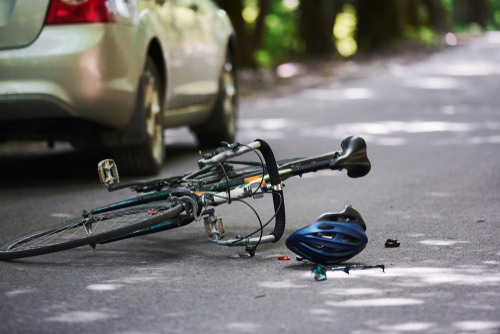 Bicycling is an economical, healthy, and environmentally responsible way to commute, exercise, make deliveries, and explore Chicago and communities throughout Illinois. Yet a person riding a bicycle has almost none of the physical protection available to someone inside a passenger vehicle. When a driver makes an unsafe turn, opens a door into traffic, passes too closely, enters a bicycle lane, or fails to notice a cyclist at an intersection, the consequences can be catastrophic.
A serious bicycle collision can cause a traumatic brain injury, spinal damage, multiple fractures, internal injuries, permanent disability, or death. Even an accident that initially appears less severe can lead to surgery, extended rehabilitation, missed work, recurring pain, and substantial damage to an expensive bicycle and riding equipment.
Sexner Injury Lawyers LLC represents injured bicyclists and families after collisions involving negligent drivers, commercial vehicles, unsafe property, dangerous road conditions, and defective bicycle components. Since 1990, our legal teams have assisted more than 25,000 clients and recovered more than $40 million through settlements and verdicts.
Free case evaluation: If you or a family member was injured while riding a bicycle, contact Sexner Injury Lawyers LLC or call (312) 243-9922. The consultation is free, confidential, and without obligation.
Bicyclists Remain Vulnerable on American Roads
The National Highway Traffic Safety Administration reports that 1,103 bicyclists were killed in traffic crashes in the United States during 2024. NHTSA also reports that nearly three-quarters of bicyclist deaths occur in urban areas. These figures include fatalities but do not reflect the far larger number of riders who survive with significant injuries.
Chicago presents its own combination of hazards, including congested intersections, heavy delivery and rideshare traffic, parked vehicles, buses, trucks, construction zones, winter-damaged pavement, railway tracks, and frequent interaction between bike lanes and turning vehicles.
A bicyclist can follow traffic laws, wear visible clothing, use lights, and ride defensively but still be injured by someone who was distracted, impatient, impaired, or simply failed to look. Safety precautions can reduce risk, but they do not excuse a negligent driver or business from responsibility.
For additional general safety information, visit the National Highway Traffic Safety Administration’s bicycle-safety resource.
Illinois Law Recognizes Bicyclists as Roadway Users
Illinois law generally gives a person riding a bicycle on a highway the same rights and responsibilities applicable to the driver of a vehicle, except for rules that cannot reasonably apply to bicycles. A cyclist is therefore not merely a guest on the roadway.
The Illinois Vehicle Code grants bicyclists roadway rights, while also requiring riders to comply with applicable traffic controls and rules of the road.
The Three-Foot Passing Requirement
A driver overtaking a bicycle in Illinois must leave a safe distance of at least three feet and maintain that distance until safely past the cyclist. When another same-direction lane is available, the law also directs the driver to change lanes when doing so is practicable, lawful, and safe.
A close pass can force a cyclist off the pavement, into a parked vehicle, against a curb, or beneath the passing vehicle. In some cases, the vehicle’s mirror or side panel makes direct contact with the rider.
The complete requirement appears in the Illinois law governing the safe passing of bicycles.
Cyclists Are Not Always Required to Hug the Curb
A cyclist traveling more slowly than surrounding traffic generally rides toward the right side of the roadway, but only when doing so is practicable and safe. Road debris, potholes, drainage grates, parked vehicles, narrow lanes, construction, and other hazards may require a cyclist to move farther into the lane.
An insurance company should not automatically blame a rider merely because the bicycle was not positioned at the extreme edge of the roadway. The surrounding conditions and applicable statutory exceptions must be considered.
Drivers Must Check Before Opening a Door
Illinois law prohibits a person from opening a vehicle door on the side available to moving traffic unless it is reasonably safe and can be done without interfering with traffic. A door may not remain open longer than necessary to load or unload passengers.
This rule applies whether the door is opened by a driver or passenger. The official provision can be reviewed in the Illinois statute concerning vehicle doors.
The Illinois Secretary of State also provides a useful summary of bicycle and pedestrian safety rules, including passing space, turning, bike lanes, and checking for riders before opening doors.
Common Causes of Bicycle Accidents
Drivers Turning Left Across a Cyclist’s Path
A left-turn collision can occur when an oncoming driver sees the cyclist too late, misjudges the rider’s speed, or attempts to complete the turn before the bicycle reaches the intersection. The cyclist may strike the side of the turning vehicle or be struck directly by its front end.
These accidents are especially dangerous because the cyclist may have little time or space to brake or avoid impact.
Right-Hook Collisions
A right hook occurs when a driver passes or travels beside a cyclist and then turns right across the cyclist’s path. This frequently happens at intersections, driveways, parking-garage entrances, and alleys.
The driver may fail to check a mirror or blind spot, underestimate the bicycle’s speed, or assume that the cyclist will stop. Buses, trucks, delivery vans, and rideshare vehicles can create particularly dangerous right-hook situations.
Dooring Accidents
A dooring accident occurs when someone in a parked or stopped vehicle opens a door directly into the path of a cyclist. The rider may strike the door, be thrown into traffic, or swerve into the path of another vehicle.
Evidence may include surveillance recordings, nearby business cameras, vehicle photographs, witness statements, and the location and condition of the opened door.
Unsafe Passing and Sideswipe Collisions
A driver may pass too closely because of impatience, distraction, excessive speed, an improper attempt to squeeze through a narrow lane, or a failure to appreciate the instability created by air movement and road conditions.
Even when the vehicle does not make contact, an unsafe pass can cause a cyclist to lose control and crash. Physical contact is not always required to establish that a negligent driver caused the injuries.
Failure to Yield at Intersections
Drivers frequently fail to yield while entering from stop signs, alleys, parking lots, and private driveways. A bicycle has a narrower profile than a vehicle, but that does not relieve a driver of the duty to maintain a proper lookout.
Traffic signals, stop signs, pavement markings, sight obstructions, vehicle speed, and the cyclist’s direction of travel may all become important during the investigation.
Rear-End Collisions
A distracted, speeding, impaired, or inattentive driver may strike a bicycle from behind. These collisions often occur at night, in poor weather, or where drivers do not expect bicycle traffic, but they can also occur in broad daylight on an open roadway.
Vehicles Entering or Blocking Bicycle Lanes
A driver may turn, park, load passengers, unload deliveries, or travel within a marked bicycle lane without checking for cyclists. The rider may be struck directly or forced into moving traffic to avoid the obstruction.
Rideshare vehicles, taxis, delivery trucks, construction vehicles, and illegally parked cars commonly create these conflicts in busy urban areas.
Distracted Driving
Texting, navigation systems, telephone calls, food, passengers, and other distractions can prevent a driver from recognizing a cyclist until it is too late. Electronic telephone records, vehicle data, witness testimony, and video may help establish distraction.
Speeding and Aggressive Driving
Higher vehicle speed reduces reaction time and increases the force transferred to the cyclist. Aggressive conduct may include following too closely, honking or threatening the rider, intentionally crowding the bicycle, passing where it is unsafe, or accelerating through an intersection.
Impaired and Fatigued Drivers
Alcohol, drugs, prescription medication, and severe fatigue can affect perception, judgment, reaction time, and vehicle control. Police reports, toxicology evidence, criminal proceedings, business records, and witness statements may become relevant to a civil injury claim.
Commercial Trucks, Buses, and Delivery Vehicles
Large vehicles have substantial blind spots and require more distance to stop and turn. A cyclist can be trapped beneath a turning truck, struck by an extended trailer, or sideswiped when a commercial driver changes lanes.
Potentially responsible parties may include the driver, trucking company, delivery business, vehicle owner, maintenance contractor, or another company involved in the operation.
Drivers Backing From Parking Spaces or Driveways
A driver who fails to look behind the vehicle may strike a cyclist traveling through a parking lot, alley, driveway, or roadway. Backup cameras and sensors can assist a driver, but they do not replace the duty to observe the surroundings.
Hit-and-Run Bicycle Accidents
A driver who leaves the scene can make an already traumatic accident more difficult. Immediate investigation may help identify the vehicle through:
- Traffic and intersection cameras
- Business and residential surveillance systems
- Doorbell-camera recordings
- Witness descriptions
- Vehicle fragments, paint transfer, and debris
- License-plate information
- Nearby rideshare, delivery, or fleet records
A cyclist may also have insurance options even when the driver cannot be identified. Depending on the policy language and household circumstances, uninsured-motorist coverage under an automobile policy may apply to a person struck while riding a bicycle. Every policy and accident must be reviewed individually.
Dangerous Roads and Bicycle Infrastructure
Some bicycle crashes are caused or worsened by a dangerous roadway rather than another moving vehicle. Hazards may include:
- Deep potholes and broken pavement
- Unprotected construction trenches
- Loose gravel, sand, oil, ice, or debris
- Defective drainage grates
- Poorly placed utility covers
- Unsafe railway crossings
- Missing, confusing, or obstructed signs
- Malfunctioning traffic signals
- Inadequate lighting
- Overgrown vegetation that blocks visibility
- Dangerous temporary traffic-control plans
A claim involving a city, county, state agency, park district, or other public entity may be governed by immunities, special procedures, and deadlines different from an ordinary driver-negligence case. Prompt legal review is especially important.
A private property owner, utility company, construction contractor, or maintenance business may also be responsible. Depending on the location and facts, the case may involve principles addressed on our premises-liability page.
Defective Bicycles, Helmets, and Components
Not every bicycle accident is caused by a motorist. A rider may lose control because of a defective or improperly repaired:
- Frame or fork
- Wheel, spoke, axle, or quick-release system
- Brake or brake cable
- Handlebar or steering component
- Pedal, crank, chain, or gear assembly
- Tire or inner tube
- Child seat or bicycle trailer
- Helmet or other safety product
- E-bike battery, motor, or electrical system
A claim may involve the manufacturer, distributor, importer, retailer, rental company, repair shop, or another business. The bicycle and failed component should be preserved without repair or destructive testing whenever possible. Learn more about these claims from our defective-product attorneys.
Bike-Share, Rental Bicycle, and E-Bike Accidents
Rental and bike-share accidents may involve negligent maintenance, defective brakes, damaged tires, loose handlebars, malfunctioning docking stations, inaccurate app information, or a bicycle placed back into service despite a reported problem.
E-bikes present additional issues involving greater speed, motor-assisted acceleration, battery fires, electronic controls, and how the particular device is classified under applicable law. Riders involved in powered-mobility incidents can review our page concerning e-bike and e-scooter accidents.
Common Bicycle Accident Injuries
A bicycle offers no passenger compartment, seat belt, air bag, or surrounding frame to absorb the impact of a collision. A rider may be struck by the vehicle, thrown onto the pavement, dragged, crushed, or hit by a second vehicle.
Common injuries include:
- Traumatic brain injuries, concussions, brain bleeding, and skull fractures
- Spinal cord injuries, vertebral fractures, and paralysis
- Facial fractures, dental injuries, and vision damage
- Broken wrists, arms, shoulders, ribs, hips, legs, and ankles
- Joint dislocations and torn ligaments
- Internal bleeding and organ damage
- Nerve injuries
- Severe road rash, infections, and permanent scarring
- Crush injuries and amputations
- Psychological trauma, anxiety, and post-traumatic stress
- Fatal injuries supporting a wrongful-death claim
Symptoms of a brain, neck, back, or internal injury may not be immediately obvious. Prompt medical evaluation can protect the rider’s health and create a contemporaneous record of the accident-related symptoms.
Bicycle Accidents Involving Children
Children may have difficulty judging vehicle speed, understanding complex intersections, or anticipating the actions of drivers. Their smaller size can also make them more difficult to see.
A claim involving a child must consider not only current treatment but also the effects of the injury on growth, education, development, future employment, independence, and long-term care. Court approval and special procedures may apply to a settlement involving a minor.
A driver does not automatically avoid responsibility merely because the injured cyclist was young. Drivers must exercise reasonable care under the circumstances, particularly in residential areas, near schools, parks, playgrounds, and other locations where children may reasonably be expected.
Who May Be Liable for a Bicycle Accident?
Potentially responsible parties may include:
- A negligent automobile driver
- A rideshare, taxi, delivery, bus, or commercial-truck driver
- The driver’s employer
- The owner of the vehicle
- A business that negligently entrusted a vehicle to an unsafe driver
- A manufacturer or seller of a defective bicycle or vehicle component
- A bicycle rental or bike-share company
- A repair shop or maintenance provider
- A construction contractor or utility company
- A private property owner
- A city, county, state agency, or other governmental entity
- Multiple parties whose conduct combined to cause the collision
Identifying every responsible party is important because different defendants may carry separate insurance policies and may dispute responsibility among themselves.
Evidence Used to Prove a Bicycle Accident Claim
Useful evidence may include:
- Police crash reports
- Photographs and videos of the scene, bicycle, vehicle, and injuries
- Surveillance and doorbell-camera recordings
- Traffic-camera and vehicle-camera footage
- Witness statements and contact information
- Vehicle damage, bicycle damage, paint transfer, and debris
- Electronic vehicle data
- Telephone and employment records when legally obtainable
- Delivery, rideshare, dispatch, or commercial-fleet records
- Road measurements, sight lines, and traffic-control information
- Medical, rehabilitation, and billing records
- Employment and wage documentation
- Expert analysis from engineers, reconstructionists, physicians, or vocational professionals
Recordings may be overwritten and physical conditions can change quickly. A damaged bicycle may be repaired or discarded before its evidentiary importance is understood. Early preservation efforts can therefore be critical.
What to Do After a Bicycle Collision
- Call 911 and obtain medical assistance: Serious injuries may not be immediately apparent.
- Request a police report: Provide accurate information, but avoid speculating about speed, distance, or injuries that have not yet been diagnosed.
- Identify the driver and vehicle: Obtain the driver’s name, address, license information, registration, insurance information, and plate number.
- Photograph the scene: Document vehicle positions, traffic controls, bicycle lanes, skid marks, debris, road defects, lighting, weather, and visible injuries.
- Locate witnesses: Obtain contact information before they leave.
- Preserve the bicycle and equipment: Do not repair, dispose of, or allow destructive inspection of the bicycle, helmet, clothing, lights, or electronic devices without advice.
- Continue appropriate medical care: Follow recommended treatment and report new or worsening symptoms.
- Avoid recorded insurance statements: An adjuster may seek admissions before the rider understands the medical condition or legal issues.
- Do not sign a quick release: Early offers may not account for surgery, future treatment, disability, or lost earning capacity.
- Avoid discussing the accident on social media: Posts and photographs may be collected and taken out of context.
- Seek a timely legal evaluation: Important evidence and legal rights can be lost through delay.
Insurance Coverage After a Bicycle Accident
The negligent driver’s liability insurance is often the first source of potential compensation. Additional coverage may include:
- Commercial vehicle or employer insurance
- Rideshare or delivery-company coverage
- Umbrella or excess liability policies
- Uninsured-motorist coverage
- Underinsured-motorist coverage
- Homeowner or business-liability coverage in appropriate cases
- Product-liability insurance
- Government or contractor coverage
A driver with minimum insurance may not have enough coverage for a catastrophic injury. The investigation should consider all potentially applicable policies rather than accepting the first representation about available insurance.
What If the Insurance Company Blames the Cyclist?
Insurers may claim that the rider entered the roadway unexpectedly, ignored a signal, traveled against traffic, was difficult to see, failed to use lights, was outside a bike lane, or contributed to the accident in another way.
Illinois follows a modified comparative-fault rule. A claimant whose fault is not more than 50% may still recover, but the damages are reduced in proportion to the assigned fault. A claimant found more than 50% responsible is generally barred from recovering under that rule.
The statutory rule can be reviewed in Section 2-1116 of the Illinois Code of Civil Procedure.
An allegation of cyclist fault should not simply be accepted. Video, witnesses, vehicle damage, road design, statutory rights, and expert reconstruction may contradict the insurer’s version.
Does Not Wearing a Helmet Eliminate a Claim?
No single fact automatically determines responsibility for a bicycle collision. A helmet may reduce the risk or severity of certain head injuries, but it does not prevent a driver from making an unsafe turn, opening a door, speeding, or striking a cyclist.
The legal relevance of helmet use depends on the injuries, accident circumstances, applicable law, and available evidence. It should not be confused with the separate question of who caused the collision.
Compensation Available After a Bicycle Accident
Depending on the facts and applicable law, compensation may include:
- Ambulance, emergency-room, hospital, and surgical expenses
- Rehabilitation, therapy, medication, and follow-up care
- Future medical treatment and personal assistance
- Past lost wages
- Reduced future earning capacity
- Pain and suffering
- Disability and disfigurement
- Loss of normal life
- Emotional distress and psychological treatment
- Damage to the bicycle, helmet, clothing, telephone, and other property
- Home or vehicle modifications
- Funeral expenses and family losses following a fatal collision
Punitive damages are not available in every case. They may be considered only in exceptional circumstances involving conduct that satisfies strict legal requirements.
How Long Do You Have to File an Illinois Bicycle Accident Claim?
Illinois personal injury lawsuits are generally subject to a two-year limitations period. The general statute is available in Section 13-202 of the Illinois Code of Civil Procedure.
That general rule should not be used to calculate a deadline without legal review. Different rules may apply to:
- Claims involving a government entity or public employee
- Injured children
- Wrongful-death claims
- Product-liability cases
- Accidents outside Illinois
- Defendants who leave the state
- Other special circumstances
Waiting can also damage a claim before the formal deadline expires. Video may be erased, witnesses may become unavailable, road conditions may change, and the bicycle or vehicle may be repaired.
Frequently Asked Questions
Can I recover if the collision occurred outside a bicycle lane?
Possibly. Cyclists are legally permitted on many roadways, and a bicycle lane is not required for every valid claim. The rider’s position, roadway conditions, traffic laws, and driver’s conduct must be evaluated.
Can I recover if the vehicle never touched my bicycle?
Possibly. A driver may cause a cyclist to crash by making an unsafe pass, cutting off the bicycle, entering the lane, or forcing an emergency maneuver. Video and witness evidence can be particularly important.
What if the driver received no traffic ticket?
A lack of a citation does not automatically prevent a civil claim. Police officers may not witness the collision, may have limited evidence at the scene, or may apply a different burden than required in a civil case.
What if I was working as a bicycle courier?
A work-related crash may support a workers’ compensation claim, a claim against the negligent driver, or both. The relationship between those claims should be evaluated carefully.
What if the driver says I came from nowhere?
That statement is common but does not resolve fault. An investigation can examine sight distance, lighting, vehicle speed, bicycle lights, traffic controls, witness accounts, video, and where the impact occurred.
Should I give the insurance company access to all my medical records?
An insurer may be entitled to relevant information, but a broad authorization can expose unrelated private history. Documents and authorizations should be reviewed before they are signed.
How much is my bicycle accident case worth?
There is no predetermined amount. Relevant factors include liability, injury severity, treatment, permanent limitations, lost income, future needs, insurance coverage, jurisdiction, and the quality of the evidence.
How Sexner Injury Lawyers LLC Can Help
Our attorneys can investigate the collision, obtain reports and recordings, identify witnesses, preserve the bicycle and vehicle evidence, analyze applicable traffic laws, communicate with insurance companies, and consult appropriate medical or accident-reconstruction experts.
We also evaluate the complete consequences of the injury. A claim should not be valued only by the first hospital bill. Future treatment, employment limitations, disability, scarring, psychological harm, damaged property, and long-term assistance may all need to be considered.
Sexner Injury Lawyers LLC has represented injured people and families since 1990. Examples of results obtained in other serious injury cases are available on our verdicts and settlements page. Every case is different, and past results do not guarantee a future outcome.
Contact a Bicycle Accident Lawyer in Chicago
A bicycle collision can change a rider’s health, livelihood, and independence within seconds. When another person, company, product manufacturer, or property owner may be responsible, a prompt investigation can help preserve evidence and identify all available insurance and legal claims.
Contact Sexner Injury Lawyers LLC for a free, confidential, and no-obligation case evaluation, or call us day or night at (312) 243-9922. In personal injury matters, no attorney fee is charged unless compensation is recovered for the client.