
Chicago Birth Injury Lawyers
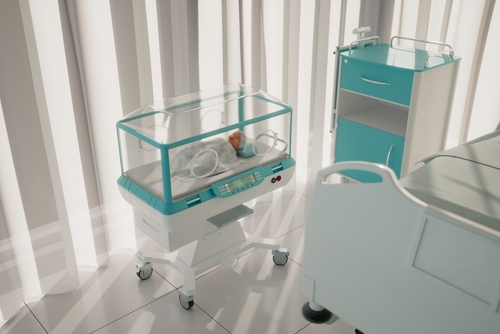 Few events are more joyful, emotional, and vulnerable than the birth of a child. Parents trust obstetricians, nurses, hospitals, midwives, anesthesiologists, pediatricians, and delivery teams to monitor both mother and baby, respond to warning signs, and act quickly when complications develop. When medical providers fail to meet those responsibilities, a child may suffer a preventable birth injury that affects the entire family for life.
Birth injury cases are among the most serious and complex types of medical malpractice claims. They often involve labor and delivery records, fetal heart monitoring strips, C-section timing, shoulder dystocia management, oxygen deprivation, neonatal intensive care, neurological testing, and expert medical review. A family may know that something went wrong, but proving why it happened often requires a detailed investigation.
At Sexner Injury Lawyers LLC, our Chicago birth injury lawyers represent children and families harmed by negligent prenatal care, labor and delivery errors, delayed emergency treatment, and failures to properly monitor or respond to fetal distress. If you believe your child was injured because of medical negligence, call (312) 243-9922 for a free consultation.
What Is a Birth Injury?
A birth injury is harm suffered by a baby before, during, or shortly after delivery. Some injuries happen despite careful medical care. Others occur because a doctor, nurse, hospital, or other provider failed to act with the skill and attention required under the circumstances.
Birth injuries may involve physical trauma, oxygen deprivation, nerve damage, brain injury, fractures, internal bleeding, spinal cord trauma, or complications that could have been prevented with proper monitoring and timely intervention. Some injuries are obvious immediately after delivery. Others become noticeable months or years later, when a child misses developmental milestones, has difficulty moving an arm, suffers seizures, shows feeding problems, or receives a diagnosis such as cerebral palsy.
Parents should not assume that a hospital’s explanation is complete. Medical providers may describe an outcome as unfortunate or unavoidable even when the records show missed warning signs, delayed treatment, poor communication, or preventable error.
Birth Injury vs. Birth Defect
Families often hear the terms “birth injury” and “birth defect” used together, but they do not mean the same thing. A birth defect is usually related to genetic, developmental, environmental, or prenatal factors that affect the child before labor begins. A birth injury generally involves harm caused by trauma, oxygen loss, or medical negligence before, during, or shortly after delivery.
This distinction matters legally. A child may have a serious medical condition that no doctor could have prevented. But if a provider failed to recognize fetal distress, delayed a necessary C-section, mishandled shoulder dystocia, used excessive force, failed to treat maternal infection, ignored abnormal test results, or failed to monitor the newborn, the family may have a legal claim.
Common Medical Mistakes That Can Cause Birth Injuries
Birth injury claims often involve decisions made under pressure. But urgent conditions do not excuse careless care. Medical providers must recognize risks, communicate clearly, and respond in time to prevent avoidable harm.
Failure to Monitor Fetal Distress
Fetal heart monitoring can reveal signs that a baby is not tolerating labor well. Abnormal heart rate patterns may suggest oxygen deprivation, umbilical cord problems, placental complications, uterine rupture, or other emergencies. Doctors and nurses must recognize concerning patterns and escalate care when needed.
When providers ignore fetal distress, fail to notify a doctor, delay intervention, or misinterpret monitoring strips, the baby may suffer brain injury, hypoxic-ischemic encephalopathy, seizures, developmental delays, or cerebral palsy.
Delayed C-Section
A cesarean delivery can be necessary when labor becomes dangerous for the mother or baby. A delay may be negligent when warning signs show that vaginal delivery is unsafe or when the baby needs to be delivered quickly. Delayed C-sections may involve fetal distress, prolonged labor, placental abruption, uterine rupture, breech presentation, infection, or failed induction.
In some cases, the central question is not whether a C-section eventually occurred, but whether it happened soon enough to prevent injury.
Improper Management of Shoulder Dystocia
Shoulder dystocia occurs when a baby’s shoulder becomes stuck after the head delivers. This is an obstetrical emergency. Providers must use accepted maneuvers and avoid excessive traction on the baby’s head, neck, or shoulder.
Improperly handled shoulder dystocia can cause brachial plexus injuries, Erb’s palsy, Klumpke palsy, fractures, oxygen deprivation, and, in severe cases, death. These cases often require careful review of delivery notes, timing, maneuvers used, risk factors, and the baby’s condition after birth.
Misuse of Forceps or Vacuum Extraction
Forceps and vacuum extractors can be helpful when used properly. But improper use can cause serious harm. A provider may use too much force, apply the instrument incorrectly, continue failed attempts too long, or use an instrument when a C-section would have been safer.
Instrument-related injuries may include skull fractures, scalp injuries, bleeding, facial nerve damage, intracranial hemorrhage, and brain injury.
Failure to Treat Maternal Infection or Complications
Maternal infections and pregnancy complications can endanger both mother and baby. Providers must evaluate fever, abnormal labs, high blood pressure, preeclampsia, gestational diabetes, placental problems, reduced fetal movement, and other warning signs. A failure to diagnose or treat these issues may lead to early delivery complications, neonatal infection, brain injury, organ injury, or death.
Some birth injury cases also involve emergency room negligence when a pregnant patient seeks urgent care and warning signs are missed.
Medication, Anesthesia, and Surgical Errors
Birth injury cases may also involve negligent medication, anesthesia, or surgical decisions. Medication mistakes can affect the mother’s blood pressure, contractions, bleeding risk, infection risk, or fetal condition. Anesthesia errors during labor or C-section can cause oxygen problems, blood pressure complications, nerve injury, or emergency delays.
When a C-section or other procedure is mishandled, the case may also involve surgical negligence, anesthesia errors, or medication and prescription errors.
Common Types of Birth Injuries
Birth injuries can affect the brain, nerves, bones, muscles, organs, and development of a child. The diagnosis may appear immediately after delivery or only after a doctor, therapist, neurologist, or developmental specialist evaluates the child later.
Hypoxic-Ischemic Encephalopathy and Oxygen Deprivation
Hypoxic-ischemic encephalopathy, often called HIE, occurs when a baby’s brain does not receive enough oxygen or blood flow around the time of birth. HIE can lead to seizures, brain damage, developmental delays, cerebral palsy, feeding problems, motor impairment, and long-term disability.
Potential causes include umbilical cord compression, placental abruption, uterine rupture, untreated fetal distress, prolonged labor, delayed C-section, maternal shock, severe infection, and poor neonatal resuscitation.
Cerebral Palsy
Cerebral palsy is a group of disorders that affect movement, muscle tone, posture, coordination, and sometimes speech, swallowing, learning, or development. Not every case of cerebral palsy is caused by malpractice. But when oxygen deprivation, untreated infection, trauma, or delayed delivery contributes to brain injury, the family may need legal review.
Children with cerebral palsy may need physical therapy, occupational therapy, speech therapy, mobility equipment, medications, surgery, assistive technology, educational support, and lifelong care.
Brachial Plexus Injuries and Erb’s Palsy
The brachial plexus is a network of nerves that controls movement and feeling in the shoulder, arm, and hand. During a difficult delivery, excessive stretching or traction may damage these nerves. Erb’s palsy often affects the shoulder and upper arm, while other brachial plexus injuries may affect the hand and wrist.
Some infants recover with therapy. Others suffer permanent weakness, limited range of motion, loss of function, or the need for surgery.
Intracranial Hemorrhage and Brain Bleeding
Bleeding in or around the brain can create pressure, reduce oxygen delivery, injure brain tissue, and cause seizures or long-term neurological problems. Intracranial hemorrhage may be associated with traumatic delivery, improper instrument use, prematurity, oxygen deprivation, or failure to respond to warning signs.
These cases often require review by medical experts and may overlap with traumatic brain injury claims.
Fractures, Facial Nerve Injury, and Physical Trauma
Some birth injuries involve broken bones, bruising, facial nerve damage, skull trauma, soft tissue injury, or spinal cord injury. These injuries may occur during difficult delivery, improper use of instruments, excessive traction, or failure to choose a safer delivery method.
Signs Parents Should Watch For After a Difficult Birth
Parents may not know immediately whether a child’s condition resulted from negligence. However, certain signs may justify a legal and medical review.
- Low Apgar scores
- Need for resuscitation after delivery
- Seizures in the newborn period
- NICU admission after a difficult delivery
- Abnormal fetal heart monitoring before birth
- Umbilical cord or placental complications
- Delayed emergency C-section
- Weakness or paralysis in one arm
- Fractures, facial injury, or severe bruising
- Difficulty feeding, swallowing, or breathing
- Missed developmental milestones
- Diagnosis of HIE, cerebral palsy, seizure disorder, or brain injury
These signs do not prove malpractice by themselves. But they may indicate that the medical records should be reviewed by attorneys and qualified medical professionals.
How Birth Injury Cases Are Investigated
Birth injury cases require a detailed timeline. Our legal team may review prenatal records, maternal risk factors, labor and delivery notes, fetal heart strips, nursing documentation, physician orders, C-section records, anesthesia records, neonatal records, NICU records, imaging studies, therapy records, and developmental evaluations.
Important questions may include:
- Were pregnancy risks recognized before labor?
- Did providers respond to fetal distress in time?
- Should a C-section have been performed earlier?
- Was shoulder dystocia handled properly?
- Were forceps or vacuum extraction used safely?
- Did providers communicate effectively during labor?
- Was the newborn resuscitated and treated appropriately?
- Did the delay or error cause the child’s injury?
These cases often require expert review. The evidence must show not only that something went wrong, but that the provider’s negligence caused harm that could have been avoided.
Illinois Birth Injury Lawsuit Requirements
Birth injury lawsuits in Illinois often fall under medical malpractice law. In many cases, the plaintiff must obtain review from a qualified healthcare professional and file the affidavit and report required for healing art malpractice claims. This requirement makes early investigation especially important.
Illinois also has strict filing deadlines. Birth injury cases involving minors may have rules that differ from adult medical malpractice claims, but families should never assume they have unlimited time. Deadlines can depend on the child’s age, the date of the negligent act, when the injury was discovered, whether death occurred, and other case-specific facts. Speak with a lawyer promptly so the deadline can be evaluated.
Compensation in a Birth Injury Case
A serious birth injury can create medical, emotional, and financial needs that last for decades. Compensation may address both current losses and future care needs.
- Past and future medical expenses
- NICU care and hospitalization
- Physical, occupational, and speech therapy
- Medications, surgeries, and specialist care
- Mobility devices and assistive technology
- Home modifications and accessible transportation
- Special education support
- In-home nursing or attendant care
- Lost future earning capacity
- Pain, suffering, disability, and loss of normal life
When a birth injury causes lifelong disability, the case may involve a catastrophic injury claim. If a child or mother dies because of negligent medical care, the family may also have a wrongful death claim.
Why Choose Sexner Injury Lawyers LLC?
Birth injury cases are highly emotional, medically complex, and aggressively defended. Hospitals and insurance companies may argue that the outcome was unavoidable, that the child’s condition was unrelated to delivery, or that the providers acted appropriately. Families need attorneys who understand both the legal and medical sides of the case.
Sexner Injury Lawyers LLC has represented seriously injured clients and families throughout Chicago and Illinois for decades. We understand how a child’s injury affects the whole family. We also understand the importance of careful investigation, medical expert review, and full assessment of future care needs.
We offer free consultations. We do not charge attorney fees unless we are successful in recovering compensation for you.
Frequently Asked Questions About Birth Injury Claims
How do I know if my child’s injury was caused by medical negligence?
You may not know without a full review. Warning signs include fetal distress, delayed C-section, difficult delivery, unexplained NICU admission, seizures, HIE, cerebral palsy, brachial plexus injury, or a provider who gives unclear explanations. An attorney can help obtain and review the records.
Is cerebral palsy always caused by malpractice?
No. Cerebral palsy can have different causes. However, some cases are linked to oxygen deprivation, trauma, infection, delayed delivery, or other preventable medical errors. The records and expert review determine whether malpractice may have played a role.
What if the hospital says the injury was unavoidable?
The hospital’s explanation is not the final answer. Some injuries are unavoidable, but others result from missed warning signs or delayed action. A legal investigation can determine whether the records support the hospital’s position.
How much does it cost to speak with a birth injury lawyer?
The consultation with Sexner Injury Lawyers LLC is free. If we accept your case, we do not charge attorney fees unless we recover compensation for you.
Call Our Chicago Birth Injury Lawyers
If your child suffered a serious injury before, during, or shortly after birth, you deserve answers. Sexner Injury Lawyers LLC can review what happened, evaluate whether medical negligence may have caused the injury, and explain your legal options.
Contact our Chicago birth injury lawyers today or call (312) 243-9922 for a free consultation.