
Chicago Truck Accident Lawyers
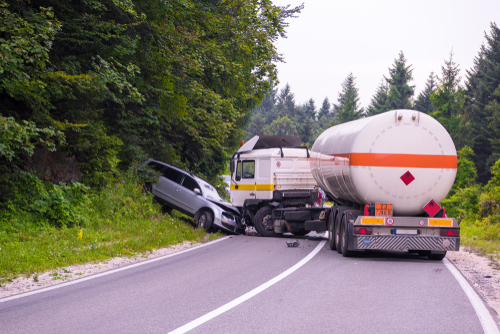 A crash with a semi-truck, tractor-trailer, delivery truck, tanker, dump truck, box truck, or other commercial vehicle can cause devastating injuries. A fully loaded tractor-trailer may weigh many times more than a passenger vehicle, and that size difference can turn a highway collision, rear-end crash, underride crash, rollover, or jackknife into a life-changing event.
From offices in Chicago and Arlington Heights, Sexner Injury Lawyers LLC assists people hurt in commercial-vehicle collisions across Illinois. Our truck accident attorneys examine the conduct of the driver and motor carrier, along with the roles of brokers, shippers, cargo loaders, repair providers, insurers, and any other business connected to the trip.
If you or a loved one was injured in a truck accident, call (312) 243-9922 for a free consultation. We can review what happened, preserve evidence, and explain your legal options.
Truck Accidents Are Different From Ordinary Car Accidents
Truck accident cases are often more complicated than ordinary car accident claims. Commercial trucking involves federal safety rules, company policies, driver qualification records, electronic logging devices, inspection records, maintenance files, cargo documents, dispatch communications, insurance layers, and corporate defense teams.
FMCSA’s 2022 Large Truck and Bus Crash Facts shows the scale of the problem nationwide. In that reporting year, large trucks were involved in more than half a million police-reported crashes, including thousands of fatal crashes and more than one hundred thousand crashes involving injury. FMCSA also found that most people killed in fatal large-truck crashes were outside the large truck. Those numbers show why truck safety, driver training, maintenance, and company oversight matter.
Trucking companies and insurers may send investigators to the scene quickly. They may inspect the truck, download data, interview witnesses, and begin building a defense before the injured person has even left the hospital. That is why prompt legal action can be important after a serious truck crash.
Common Causes of Truck Accidents
A serious truck crash may trace back to one mistake, or it may reflect a chain of unsafe choices involving the driver, motor carrier, cargo company, repair shop, dispatcher, or another business. The cause may involve how the truck was driven, how it was loaded, how it was maintained, or how the trip was planned.
- Driver fatigue or hours-of-service violations
- Speeding or driving too fast for traffic, weather, or road conditions
- Distracted driving, including phone use, dispatch messaging, or navigation distractions
- Unsafe lane changes, blind-spot errors, tailgating, or failure to yield
- Impaired driving involving alcohol, drugs, or medication
- Improperly loaded, overloaded, or unsecured cargo
- Poor brake maintenance, tire failure, lighting problems, or equipment defects
- Inexperienced, unqualified, or poorly trained drivers
- Unsafe hiring, retention, supervision, or dispatch practices
- Failure to inspect the truck before or during a trip
- Jackknifes, rollovers, underride crashes, runaway trailers, and wide-turn crashes
Truck Driver Negligence
Truck drivers must operate large commercial vehicles with care. A moment of inattention can injure someone in a smaller vehicle, on a motorcycle, on foot, or in a work zone. Driver negligence may involve speeding, following too closely, unsafe braking, ignoring traffic signals, drifting across lanes, failing to check blind spots, or driving while fatigued.
Federal hours-of-service rules limit how long many commercial drivers may drive and require rest breaks. A truck driver who exceeds driving limits, falsifies logs, ignores fatigue, or continues driving when unsafe may create serious risk. Electronic logs, dispatch messages, fuel records, toll records, GPS data, and delivery schedules may help show whether the driver was under pressure or out of compliance.
When a truck crash injures a motorcyclist, the case may also involve issues discussed on our motorcycle accident page, including visibility, lane positioning, and the lack of physical protection for riders.
Trucking Company Negligence
A trucking company may be responsible for more than the driver’s conduct at the moment of impact. Truck companies may create danger by hiring unsafe drivers, failing to train drivers, ignoring prior violations, delaying repairs, pressuring drivers to meet unrealistic delivery schedules, or failing to monitor driver behavior.
Important company records may include driver qualification files, background checks, drug and alcohol testing records, training materials, safety policies, inspection reports, maintenance records, dispatch records, driver logs, crash history, and prior complaints.
A company may also be responsible if it allowed an unsafe truck to remain on the road. Brakes, tires, lights, coupling devices, mirrors, steering components, underride guards, and other safety equipment must be inspected and maintained. Poor maintenance can turn a preventable problem into a catastrophic crash.
Unsafe Loading and Cargo Securement
Cargo problems can make a truck unstable or dangerous. An overloaded trailer may increase stopping distance, strain brakes, and make the truck harder to control. Uneven cargo can shift during turns or sudden braking. Loose cargo can fall from a vehicle, strike nearby traffic, or contribute to a rollover.
FMCSA cargo-securement rules require cargo to be properly immobilized or secured. A truck accident case may require review of bills of lading, weight tickets, loading records, photographs, inspection reports, shipping documents, warehouse records, and the identity of the company that loaded or secured the cargo.
Potentially responsible parties may include the trucking company, driver, shipper, broker, warehouse, loading contractor, maintenance company, or another business involved in the trip.
Types of Truck Accidents
Rear-end truck crashes
A large truck needs more time and distance to stop than a passenger vehicle. Rear-end crashes may occur when a truck driver follows too closely, drives too fast for traffic, fails to notice stopped vehicles, or operates with worn brakes or unsafe tires.
Underride crashes
An underride crash can happen when a passenger vehicle slides under the rear or side of a truck or trailer. These crashes are often catastrophic because the upper portion of the passenger vehicle may be crushed. Underride cases may involve lighting, reflective tape, underride guards, trailer positioning, sudden stops, and whether the truck or trailer complied with safety requirements.
Jackknife crashes
A jackknife occurs when the tractor and trailer fold toward each other. This may happen during hard braking, slippery conditions, speeding, improper steering, brake problems, or load shift. Once a trailer swings across lanes, nearby vehicles may have little time to react.
Rollover accidents
A rollover may occur when a truck enters a curve too fast, cargo shifts, the driver overcorrects, the shoulder gives way, or the truck’s load makes it top-heavy. Rollovers can block multiple lanes and cause multi-vehicle crashes.
Wide-turn and squeeze-play crashes
Large trucks need extra space to turn. A driver who swings wide, turns from the wrong lane, fails to check mirrors, or misjudges surrounding traffic may trap or crush a nearby vehicle, bicyclist, or pedestrian.
Runaway trailers and detached loads
A trailer may detach because of coupling failure, poor inspection, improper connection, equipment defects, or negligent maintenance. Loose cargo may also fall into the roadway and create a crash hazard.
Serious Injuries Caused by Truck Accidents
Truck crashes often cause severe injuries because of the force involved. A passenger vehicle occupant may suffer major trauma even when the truck driver walks away with minor injuries.
- Traumatic brain injuries, concussions, skull fractures, and cognitive problems
- Spinal cord injuries, paralysis, nerve damage, and loss of mobility
- Broken bones, crushed limbs, shoulder injuries, knee injuries, and orthopedic trauma
- Internal bleeding, organ damage, abdominal trauma, and chest injuries
- Burns, scarring, disfigurement, and smoke-inhalation injuries
- Amputations, permanent disability, chronic pain, and loss of independence
- Post-traumatic stress, anxiety, depression, and fear of driving
Trauma that produces permanent limitations may qualify as a catastrophic injury and require a much broader damages analysis. When a commercial-vehicle collision is fatal, the decedent’s family may have rights under Illinois wrongful death law.
Who May Be Responsible for a Truck Accident?
Responsibility in a truck crash may involve more than one person or company. A complete investigation should identify every party that caused, contributed to, or failed to prevent the crash.
- The truck driver
- The trucking company or motor carrier
- The owner of the tractor, trailer, or cargo
- A freight broker or logistics company
- A shipper, warehouse, or loading company
- A maintenance or repair company
- A manufacturer of defective truck parts, tires, brakes, or safety equipment
- A construction contractor, road contractor, or work-zone manager
- Another negligent driver who contributed to the crash
In some cases, the driver and the trucking company may both be responsible. In other cases, a separate company may have loaded cargo, repaired brakes, owned the trailer, or set unsafe delivery requirements.
Evidence That Can Help Prove a Truck Accident Case
Truck accident evidence can be technical and time-sensitive. Some records may be deleted or overwritten if they are not preserved quickly.
- Police reports, crash reconstruction reports, and scene photographs
- Truck electronic control module data, GPS data, and electronic logging device records
- Driver qualification files, training records, and prior violation history
- Hours-of-service logs, dispatch messages, delivery schedules, and fuel records
- Maintenance records, inspection reports, repair invoices, and brake or tire records
- Dashcam video, surveillance footage, traffic cameras, and witness statements
- Cell phone records, in-cab communication records, and app or dispatch data
- Shipping papers, bills of lading, weight tickets, cargo photographs, and loading records
- Medical records, ambulance records, hospital records, rehabilitation records, and expert reports
Sexner Injury Lawyers LLC can send preservation letters, investigate the crash scene, request records, consult experts, and determine whether the trucking company or other parties failed to follow reasonable safety practices.
Truck Accidents at Work
Some truck accidents happen while the injured person is working. A delivery driver, construction worker, warehouse employee, road worker, utility worker, or other employee may have a workers’ compensation claim and a separate third-party claim against a negligent driver, trucking company, contractor, or equipment company.
Our workers’ compensation lawyers can help evaluate how a workplace truck accident should be handled and whether both workers’ compensation and third-party injury claims may apply.
Compensation in a Truck Accident Case
Compensation depends on the evidence, the seriousness of the injury, available insurance, fault, medical treatment, and the long-term effect on the injured person’s life. A truck accident claim may seek compensation for emergency care, surgery, hospitalization, medication, rehabilitation, future treatment, lost wages, reduced earning capacity, pain, suffering, disability, disfigurement, emotional distress, vehicle damage, and loss of normal life.
Severe truck accident cases may also require future-care planning. The claim may need to account for home modifications, mobility equipment, in-home care, transportation changes, vocational limitations, and long-term medical needs.
Illinois Deadlines and Comparative Fault
For many Illinois personal injury actions, suit must ordinarily be started within two years. That period is not universal, however. Matters involving a public body, an injured child, a fatal collision, workers’ compensation benefits, uninsured or underinsured motorist coverage, or uncommon procedural circumstances may follow a different timetable.
Illinois also follows a modified comparative-fault rule. If the injured person is found more than 50% responsible, recovery may be barred. If the person is 50% or less responsible, damages may be reduced by the percentage of fault. Trucking companies and insurers may try to shift blame to the injured person, another driver, road conditions, weather, or an unavoidable emergency. A careful investigation can help respond to those defenses.
What to Do After a Truck Accident
Your health comes first. Call 911, request medical care, and follow medical advice. If possible, take steps to preserve evidence before the vehicles, cargo, and scene conditions change.
- Call police and request emergency medical care.
- Photograph vehicles, license plates, DOT numbers, company names, cargo, skid marks, debris, road conditions, and injuries.
- Get names and contact information for witnesses.
- Save medical records, discharge papers, prescriptions, bills, and work restrictions.
- Do not sign trucking company or insurance documents before legal review.
- Avoid detailed recorded statements to insurance representatives without a lawyer.
- Contact a truck accident lawyer quickly so evidence can be preserved.
Additional Truck Safety and Legal Sources
For general safety and legal background, you may review FMCSA Large Truck and Bus Crash Facts, FMCSA hours-of-service information, FMCSA cargo-securement rules, the Illinois personal-injury limitations statute, and the Illinois comparative-fault statute. These materials provide general background only; the applicable rules and deadlines must be evaluated in light of the facts of the individual truck-collision matter.
Frequently Asked Questions About Truck Accident Claims
How are truck accident cases different from car accident cases?
Truck cases often involve federal regulations, commercial insurance, driver logs, company records, maintenance files, cargo documents, electronic data, and multiple potentially responsible companies. The investigation is usually more complex than a typical passenger-vehicle crash.
Can I sue the trucking company, not just the driver?
Possibly. The trucking company may be responsible if the driver was negligent while working, or if the company’s own conduct contributed to the crash through unsafe hiring, training, supervision, dispatching, maintenance, or safety practices.
What if the truck driver says I was partly at fault?
You may still have a claim if you were not more than 50% responsible under Illinois comparative-fault rules. Evidence such as video, vehicle damage, skid marks, electronic data, witness statements, and reconstruction analysis may help show what happened.
What if the truck was overloaded or cargo shifted?
Overloaded or poorly secured cargo can support claims against the driver, trucking company, shipper, warehouse, broker, loader, or another company involved in the shipment. Cargo records and inspection evidence may be important.
How much does it cost to speak with Sexner Injury Lawyers LLC?
Your case review is free. If Sexner Injury Lawyers LLC agrees to represent you, the attorney-fee arrangement is contingency-based and will be explained before representation begins.
Call Our Chicago Truck Accident Lawyers
If you were injured in a semi-truck, tractor-trailer, delivery truck, tanker, dump truck, or commercial vehicle accident, Sexner Injury Lawyers LLC can review what happened, preserve evidence, investigate the trucking company, and explain your legal options.
Call (312) 243-9922 or contact us online for a free consultation with our Chicago truck accident lawyers.