Chicago Amusement Park Injury Attorneys
What You Need to Know About Injuries, Lawsuits, and Compensation
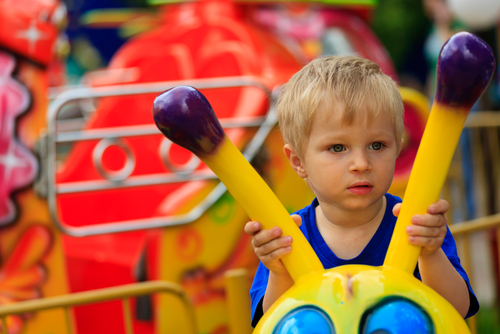 Each year, millions of adults and children flock to amusement parks, theme parks, water parks, and carnivals all over the country, from Chicago to Anaheim to Orlando. But while these parks are marketed as safe and entertaining, the reality is that accidents do happen — and sometimes the results are catastrophic. Thousands of visitors are injured each year in incidents ranging from broken bones to traumatic brain injuries, spinal cord damage, and even wrongful death on roller coasters, bumper cars, and other rides.
If these injuries are due to the negligence of park owners, ride operators, or ride manufacturers, a lawsuit claiming money damages may be filed against those responsible. This comprehensive guide explores how amusement park accidents happen, your legal rights if you are injured, and real-world examples of lawsuits, settlements, and jury verdicts that demonstrate the seriousness of these cases.
Since 1990, the team of Chicago amusement park accident lawyers at Sexner Injury Lawyers LLC has recovered millions of dollars on behalf of individuals and families affected by the negligence of others. Call us for free information 24 hours a day at (312) 243-9922.
Types of Amusement Park Injuries
Thrill rides are thrilling for a reason. They usually involve high speeds, close calls, and in the case of some roller coasters, may even invert the riders so that they travel upside down. As such, the machinery and computer programming required is usually very complicated and precise. There is virtually no room for operator error, so when mistakes happen, injuries result. But even when the machinery is in perfect working order, the extreme nature of some of these rides may result in injuries anyway. Some of the most common injuries include:
- Brain aneurysms resulting from extra-fast rides or roller coasters.
- Wrongful death from being thrown from a ride or striking an object.
- Neck, back, and head injuries from whiplash-type movements on coasters and spinning rides.
- Drownings on water rides, water slides, and lazy-river rides.
- Broken bones, cuts, and torn ligaments from unforeseen contact with fixed objects.
- Traumatic brain injury (TBI) from extreme stress, speed, and G-forces placed on the brain during acceleration, deceleration, or contact with a fixed object.
- Stroke or transient ischemic attack (TIA) due to interrupted blood supply.
Causes of Amusement Park Accidents
Amusement parks are fast-paced, crowded entertainment venues that often employ thousands of people working hundreds of different jobs simultaneously. Coordinating each job is critical to maintaining safety, and if mistakes occur, injuries and deaths can follow. In many cases, accidents can be traced back to negligence, improper maintenance, or design flaws. Some of the most common causes include:
- Ride Malfunctions and Mechanical Failures: Such as a roller coaster car detaching; a lap restraint or lap bar opening mid-ride; a safety lock failing; a water raft becoming airborne; rider ejection; loose or snapped cabling; broken bolts; failed sensors; derailments; or other machinery failures.
- Guest Misconduct: Although guest misbehavior may reduce recovery, parks are still required to anticipate foreseeable misuse and design rides with redundant safety features.
- Ride Operator Failures: Such as a ride operator purposefully, negligently, or recklessly operating the ride incorrectly or ignoring warning lights; failure to properly train ride operators; failure to enforce required height and weight restrictions; improperly loading or unloading passengers; failure to bring the ride to a full stop; failure to properly lock restraints; or failure to shut down the ride when required.
- Defective Design, Maintenance, and Assembly Failures: Such as improper machine design, improper installation or assembly of the ride, structural flaws, protruding or sharp parts, or improper maintenance leading to errors such as exposed electrical wiring or electrical failures. A poorly engineered ride may generate excessive G-forces or fail to accommodate all body types safely, resulting in injuries even when the ride operates as intended.
- Inherent Ride Characteristics: Even when designed, assembled, and maintained according to plan, certain rides by their very nature still place riders at risk for injuries such as loss of consciousness, cerebral hemorrhage, or subdural hematoma, due to intense spinning, high acceleration, or extreme deceleration.
- Inadequate Warnings, Security, or Signage: Such as failure to install proper security measures or high fencing; failure to post adequate warning signs or install sufficient lighting; failure to warn riders with certain medical conditions or who are pregnant; or failure to closely monitor those who attempt to retrieve dropped phones or hats that have fallen from rides.
- Poor Supervision or Staffing: Water parks, go-kart racing, and other high-risk attractions require sufficient staffing and quick emergency response. Delays in response can significantly worsen injuries.
Successfully Filing an Amusement Park Injury Lawsuit
Some of the legal claims that may be filed against theme parks, amusement parks, water parks, and carnival owners and operators include:
- Negligence: When an amusement park accident is caused by a lack of attention or carelessness on the part of a park employee, a claim for negligence can be successfully prosecuted against those responsible. Examples include failure to maintain the ride in a safe condition, giving incorrect instructions, failing to provide proper warnings, or operating the ride improperly.
- Premises Liability: It is the obligation of amusement park and carnival operators to create and maintain a safe environment for all visitors. When a visitor is injured or killed while on the premises, a lawsuit alleging premises liability may be filed.
- Product Liability: Sometimes a ride is properly maintained and properly operated, yet a rider is still injured or killed because the design of the ride — or a component such as a lap bar — was defective. Under some circumstances, an attorney can sue not only the manufacturer but also the ride owner for design defects, manufacturing defects, or failure to warn.
- Wrongful Death: When a person is killed due to the negligent or reckless actions — or failure to act — of another person or company, a claim for wrongful death may be filed to recover money damages on behalf of surviving family members for loss of companionship, financial support, and funeral expenses.
The Insurance Company May Try to Blame You
In order for an injury or wrongful death lawsuit to succeed against an amusement park, theme park, or carnival, an attorney must demonstrate that the other party was at fault. However, the defense will undoubtedly attempt to avoid responsibility by shifting the blame to the rider. They will often try to do this by pointing to:
- Assumption of Risk: They may argue that the rider knew the ride carried risks before boarding and therefore "assumed the risk," barring any recovery. However, the law generally distinguishes between ordinary risks and those created by negligence or defects. Guests do not assume the risk of poorly maintained or defective rides.
- Rider Safety Errors: They may claim the rider did something wrong — such as rocking the ride, standing up, or failing to follow posted safety rules or verbal instructions — and that this caused the injury.
- Ticket Disclaimers: On the back of virtually every ticket — from a movie-theater ticket to a concert ticket — is a disclaimer, which is legal language intended to release the company from responsibility in the event of an accident.
- Comparative Fault: Some states allow damages to be reduced if the injured guest contributed to the accident — for example, by standing up during a ride.
Experienced injury attorneys know how to counter these arguments and redirect responsibility to those truly at fault: ride operators, manufacturers, and amusement park companies.
What to Do If Injured on an Amusement Park Ride
What you do immediately after you or a loved one has been injured on an amusement park ride is critically important:
- Seek Immediate Medical Attention: Nothing is more important than your health. Depending on the extent of the injury, seek treatment from an on-site medical doctor or call 911 for emergency care and go to the nearest hospital.
- Report the Incident Immediately: Notify park management and request a written incident report.
- Collect Evidence: Once medical attention has been received, focus on gathering available evidence for use in a possible lawsuit. This includes the names and phone numbers of witnesses or park employees, and photographs or video of warning signs and other relevant details.
- Keep All Paperwork: This includes ticket stubs, hospital bills and records, insurance payments, and records of lost time from work.
- Do Not Discuss Specifics With Others: Other than doctors or hospital staff who need to know how you were injured, do not discuss specifics with insurance adjusters or park representatives. Adjusters and representatives may attempt to get you to say something that places the blame on you and damages your claim.
- Do Not Sign Anything: Parks may ask you to sign waivers or accept a quick settlement. Speak with a lawyer before signing anything.
- Contact an Experienced Lawyer Immediately: An experienced amusement park injury attorney can speak on your behalf to insurance adjusters and dramatically increase your chances of a successful claim. The legal team at Sexner Injury Lawyers LLC is available 24 hours a day with free information at (312) 243-9922.
Real-World Examples: Lawsuits, Settlements, and Jury Verdicts
Many amusement park accident cases have resulted in multimillion-dollar settlements and verdicts. Here are just a few notable examples:
Disney Parks
- $25 Million Settlement – Sailing Ship Columbia Accident: Disneyland paid $25 million after a guest was killed when a metal cleat flew loose from the Sailing Ship Columbia and struck him in the head.
- $1 Million Per Parent – Child Drowning Case: In Florida, a jury awarded $1 million to each parent after their child drowned at a Disney water attraction, finding inadequate supervision.
- Other Disney Accidents: Guests have successfully sued Disney over tram, bus, and cart accidents; a child who suffered brain damage on the Roger Rabbit Ride; injuries at Space Mountain; and many other incidents.
Universal Studios
- $12.5 Million Settlement – Tram Accident: Universal Studios settled a case for $12.5 million after a tram collided with a barrier, injuring multiple riders.
- Jaws Ride Lawsuit: A man sued Universal for $1 million after falling into the water when a railing broke on the Jaws boat ride.
- E.T. Adventure Ride Claims: Multiple injury claims have been filed in connection with this ride.
Six Flags, Knott's Berry Farm, and Other Parks
- Six Flags – $15 Million Settlement: After a roller coaster malfunction ejected a rider and caused permanent paralysis, Six Flags paid $15 million to settle the case.
- Knott's Berry Farm – $10 Million Settlement: A ride malfunction led to a $10 million payout to a severely injured rider.
- Glenwood Caverns – $205 Million Jury Verdict: The family of a 6-year-old girl was awarded $205 million after she died when operators failed to properly secure her in a drop-ride attraction.
- Icon Park – $310 Million Verdict: The family of a 14-year-old boy who fell from the Orlando FreeFall ride received a $310 million jury verdict — one of the largest ever awarded in a U.S. amusement ride case.
These outcomes demonstrate how seriously courts treat safety failures — and how verdicts can reach into the hundreds of millions of dollars.
Why Are Amusement Park Accident Cases So Complex?
These cases are among the most challenging in personal injury law and require a dedicated, knowledgeable legal team to succeed. Key reasons include:
- Engineering Expertise Required: Attorneys must work with mechanical engineers and ride designers to analyze mechanical failures.
- Accident Reconstruction: High-speed video, computer simulations, and forensic evidence are needed to recreate what happened.
- Medical Testimony: Proving causation and long-term damages requires expert medical opinion.
- Massive Discovery: Maintenance records, inspection logs, and internal safety reports must be obtained and carefully analyzed.
- Corporate Defense Teams: Large parks are defended by well-funded legal teams that will fight your claims aggressively.
Because of these challenges, it is essential to trust your case to a law firm with proven experience litigating against major corporations and insurance carriers.
How the Sexner Injury Lawyers LLC Team Can Help
At Sexner Injury Lawyers LLC, we understand the unique challenges of amusement park accident cases. Our attorneys:
- Investigate rides and secure maintenance records
- Work with top experts to prove negligence or defective design
- Calculate damages for medical care, lost wages, and pain and suffering
- Negotiate aggressively with insurance companies
- Take cases to trial whenever necessary to secure full justice for our clients
With millions already recovered for our clients and decades of litigation experience, we have the resources and dedication to stand up to powerful corporations and win.
There are never any legal fees until we are successful on your behalf. That is our guarantee. Our legal team has a proven track record of success and is available 24 hours a day, every day of the year. Call us now to see how we can help you at (312) 243-9922.