Boating Accident Lawyers in Chicago
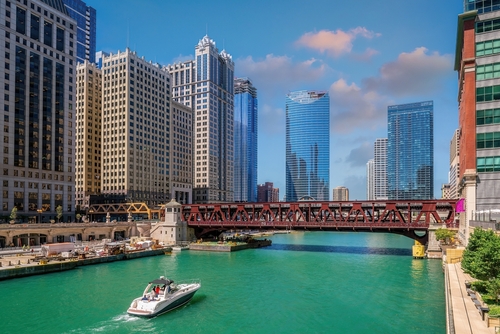
Chicago offers extensive opportunities for boating on Lake Michigan, the Chicago River, nearby harbors, inland lakes, rivers, and recreational waterways throughout Illinois. Residents and visitors use speedboats, fishing boats, sailboats, pontoons, charter vessels, tour boats, personal watercraft, kayaks, and other vessels for transportation and recreation.
A day on the water can become dangerous when an operator is distracted, intoxicated, inexperienced, speeding, ignoring navigation rules, or failing to account for weather, wakes, swimmers, or other boats. A collision, capsizing, grounding, propeller strike, or fall overboard can cause drowning, brain injury, spinal trauma, broken bones, internal injuries, permanent disability, or death.
Sexner Injury Lawyers LLC represents injured passengers, operators, swimmers, personal-watercraft riders, and families after serious boating accidents in Chicago and throughout Illinois. We investigate how the incident occurred, identify every potentially responsible party, preserve important evidence, and pursue compensation under the law that applies to the accident.
Call (312) 243-9922 or contact Sexner Injury Lawyers LLC online for a free and confidential case evaluation. When we accept an injury case, attorney fees are handled on a contingency basis and are collected only if compensation is recovered.
Boating and Watercraft Cases We Handle
Boating accident claims can involve recreational vessels, commercial businesses, rentals, organized excursions, watersports, and many different waterways. Our legal review may involve accidents connected with:
- Speedboats and motorboats
- Personal watercraft and Jet Skis
- Sailboats
- Pontoon boats
- Fishing boats
- Yachts and cabin cruisers
- Charter and sightseeing boats
- Boat rentals and membership clubs
- Canoes, kayaks, rowboats, and paddleboards
- Water skiing, wakeboarding, tubing, and other towed activities
- Marinas, docks, launching ramps, and harbor facilities
- Commercial vessels that collide with recreational boats
The type of vessel matters because ownership, operation, licensing, rental agreements, insurance coverage, maintenance duties, navigation requirements, and applicable law may differ.
Common Types of Boating Accidents
Collisions Between Vessels
Boat-to-boat collisions may occur when an operator fails to keep a proper lookout, misjudges another vessel’s speed or direction, violates navigation rules, makes an unsafe turn, or travels too fast for traffic and visibility.
Unlike roadways, waterways generally do not have painted lanes or traffic signals. Operators must understand crossing, overtaking, head-on, narrow-channel, and right-of-way responsibilities and must take timely action to avoid a collision.
Falls Overboard
A passenger may be thrown or fall into the water because of an abrupt turn, sudden acceleration, large wake, slippery surface, missing railing, overcrowding, unsafe seating, or reckless operation. A person overboard faces risks of drowning, hypothermia, collision with another vessel, or being struck by the boat’s propeller.
Capsizing and Swamping
A boat can overturn or fill with water because it is overloaded, poorly balanced, operated in severe weather, struck by a wake, damaged, or handled improperly. A capsizing accident becomes especially dangerous when passengers cannot locate life jackets, become trapped beneath the vessel, or are far from shore.
Propeller Strikes
A moving propeller can cause deep lacerations, severed muscles and nerves, fractures, internal damage, amputation, or death. Propeller injuries may occur when an operator starts or moves the boat without determining where swimmers, passengers, or fallen riders are located.
Dock, Marina, and Boarding Accidents
Injuries can happen while boarding, leaving, fueling, launching, or securing a vessel. Broken cleats, unstable docks, missing railings, poor lighting, slippery surfaces, electrical hazards, inadequate maintenance, or improper assistance may contribute to a marina or dock accident.
Water-Skiing, Tubing, and Wakeboarding Accidents
Towed participants may be injured by excessive speed, unsafe turns, inadequate observation, improper tow ropes, collisions with boats or fixed objects, or operation too close to shore, docks, swimmers, or restricted areas.
Rental Boat and Jet Ski Accidents
A person may rent a powerful vessel despite having little experience. A rental company may face investigation if it failed to provide required safety instruction, rented defective equipment, ignored an obviously unqualified or impaired operator, or failed to explain local hazards and operating restrictions.
Frequent Causes of Illinois Boating Accidents
The U.S. Coast Guard identifies operator inattention, improper lookout, operator inexperience, machinery failure, navigation-rule violations, excessive speed, alcohol use, weather, hazardous waters, and wake forces among leading contributing factors in reported recreational boating accidents.
Common causes include:
- Distracted or inattentive operation
- Failure to maintain a proper lookout
- Operator inexperience or lack of safety training
- Boating under the influence of alcohol or drugs
- Excessive speed for traffic, weather, visibility, or water conditions
- Failure to follow navigation and collision-avoidance rules
- Unsafe passing, crossing, or overtaking
- Failure to observe no-wake and restricted areas
- Overloading the boat with passengers or equipment
- Exceeding the vessel’s safe horsepower capacity
- Allowing passengers to sit in unsafe areas
- Operating too close to swimmers, divers, docks, or other vessels
- Failure to provide or use appropriate life jackets
- Inadequate navigation lights after dark or during poor visibility
- Ignoring weather forecasts or changing lake conditions
- Mechanical failure or inadequate maintenance
- Defective steering, throttle, engine, fuel, or electrical systems
- Unsafe rental, charter, or tour-boat practices
The U.S. Coast Guard’s recreational boating statistics provide additional information about reported accidents, injuries, fatalities, vessel types, and contributing factors.
Illinois Boating Safety Duties
The Illinois Boat Registration and Safety Act contains requirements governing vessel operation, safety equipment, operator qualifications, accident reporting, alcohol and drug use, towing activities, restricted areas, and navigation.
A violation does not automatically decide every issue in a civil injury case. It may, however, provide important evidence when the violation contributed to a collision or injury.
Careless and Reckless Operation
Illinois prohibits operating a watercraft carelessly in a way that endangers people or property. It also prohibits reckless operation, including conduct such as weaving through traffic, jumping another vessel’s wake at an unsafe distance, making last-second collision-avoidance maneuvers, or creating dangerous wake conditions.
Safe Speed and No-Wake Areas
An operator must choose a speed that allows the vessel to stop within the assured clear distance ahead and respond to boats, swimmers, docks, weather, and visibility. Posted no-wake areas and restrictions near launching ramps, swimming areas, and other protected locations must be followed.
Navigation Rules
Boat operators must understand their responsibilities during head-on, crossing, and overtaking situations. The operator who is required to keep out of the way must take early and substantial action, while every operator retains a responsibility to avoid a collision when possible.
The U.S. Coast Guard Navigation Rules explain responsibilities involving powered vessels, sailboats, overtaking, crossing, restricted visibility, lights, signals, and collision avoidance.
Boating Under the Influence
Illinois prohibits operating or being in actual physical control of a watercraft while under the influence of alcohol, drugs, intoxicating compounds, or certain combinations of substances. A blood- or breath-alcohol concentration of 0.08% or more meets the statutory alcohol threshold.
A criminal boating-under-the-influence prosecution is separate from a civil injury claim. Even when no criminal conviction results, toxicology records, witness observations, bar receipts, photographs, video, and other evidence may help establish impairment in a civil case.
Boater Education and Rental Safety
Illinois requires boating-safety certification for many people who operate motorboats exceeding 10 horsepower. The requirements depend on factors such as the operator’s age and statutory exemptions.
Licensed boat-rental businesses must provide abbreviated safety and operating instruction to renters unless the renter demonstrates qualifying certification or an exemption. A rental waiver does not necessarily excuse negligent maintenance, unsafe equipment, or a failure to provide legally required instruction.
Life Jackets and Safety Equipment
Illinois requires appropriately sized, U.S. Coast Guard-approved personal flotation devices aboard watercraft and imposes additional wear requirements for children and people using personal watercraft. Depending on the vessel, required safety equipment may also include throwable flotation devices, fire extinguishers, sound-producing devices, navigation lights, and an engine cut-off system.
Additional information is available through the Illinois Department of Natural Resources boating-safety program.
Who May Be Responsible for a Boating Accident?
Responsibility is not always limited to the person holding the steering wheel. A complete investigation should examine ownership, control, employment, maintenance, rental, product design, alcohol use, and the actions of every person or company connected with the vessel.
Potentially responsible parties may include:
- The boat operator: For inattention, intoxication, speeding, unsafe maneuvering, failure to keep a lookout, or another operating error
- The boat owner: For negligent entrustment, unsafe maintenance, missing equipment, or allowing an unqualified person to operate the vessel
- A rental company or boat livery: For defective equipment, inadequate instruction, negligent rental practices, or failure to inspect and maintain the vessel
- A charter, tour, or excursion company: For unsafe operation, inadequate staffing, poor maintenance, overcrowding, or failure to protect passengers
- An operator’s employer: When the operator was acting within the scope of employment
- A marina or maintenance company: For negligent repairs, fueling errors, electrical hazards, unsafe docks, or failure to correct a known defect
- A vessel or component manufacturer: When defective steering, throttle, engine, fuel, flotation, seating, or safety equipment contributed to the accident
- Another vessel’s operator or owner: When multiple boats contributed to the collision
- A public or private property controller: When an unsafe launching area, dock, restricted zone, or waterway condition contributed to the injury
Several insurance policies may apply. Coverage could involve a boat policy, homeowners policy, commercial marine policy, rental-company policy, charter policy, umbrella coverage, or insurance maintained by another responsible party.
Boating Accidents Involving Charters and Tour Boats
Passengers on charter, sightseeing, fishing, party, and excursion boats generally rely on the operator and company to provide a reasonably safe vessel and competent crew.
An investigation may examine:
- Captain and crew qualifications
- Passenger limits and overcrowding
- Safety briefings
- Life jackets and emergency equipment
- Alcohol policies
- Maintenance and inspection records
- Weather-monitoring practices
- Emergency and man-overboard procedures
- Navigation and communication equipment
- Whether the company pressured the crew to operate in unsafe conditions
Tickets, electronic waivers, and passenger agreements should be preserved. Their legal effect depends on the wording, governing law, and circumstances and should not simply be accepted as eliminating the passenger’s rights.
Serious Injuries Caused by Boating Accidents
Boat accidents combine high speeds, hard surfaces, moving machinery, open water, and delayed access to emergency medical care. Injuries may include:
- Fatal or nonfatal drowning
- Traumatic or oxygen-related brain injury
- Spinal cord, neck, and back injuries
- Broken and crushed bones
- Internal bleeding and organ damage
- Propeller lacerations and amputations
- Burns from fuel, fire, or electrical systems
- Facial, dental, and eye injuries
- Nerve, tendon, and muscle damage
- Hypothermia and exposure injuries
- Post-traumatic stress and emotional trauma
A person who survives a drowning event may initially appear to recover but later experience respiratory, neurological, or cognitive complications. Prompt medical evaluation is important after any submersion or significant boating collision.
When an injury permanently affects mobility, cognition, employment, or independence, the claim may also involve a catastrophic injury.
Fatal Boating Accidents
A boating accident may cause an immediate death or result in death after hospitalization and medical treatment. Surviving family members may need to evaluate both a wrongful death claim and a survival action.
Depending on the governing law and facts, recoverable losses may include funeral expenses, medical costs, lost financial support, lost services, grief, sorrow, loss of society, and damages experienced by the deceased person before death.
A Coast Guard, DNR, police, coroner, or criminal investigation does not automatically protect the family’s civil rights. A separate legal investigation may be needed to preserve evidence and evaluate every available insurance policy and responsible party.
Evidence in a Boating Accident Claim
Evidence can disappear quickly. Boats may be repaired, removed from the water, transferred, cleaned, or destroyed. Electronic data may be overwritten, and witnesses may leave the area.
Important evidence may include:
- The boat, personal watercraft, motor, propeller, and damaged components
- Photographs and video of the vessels and accident area
- Police, Coast Guard, DNR, marina, and accident reports
- 911 calls, radio transmissions, dispatch records, and rescue reports
- GPS, chartplotter, engine-control, depth-finder, or electronic navigation data
- Automatic Identification System information when available
- Cell phone records, text messages, and social-media posts
- Surveillance, marina, dock, bridge, business, or passenger video
- Rental contracts, safety instructions, waivers, and payment records
- Ownership, registration, certification, and operator records
- Maintenance, inspection, and repair records
- Weather, wave, visibility, and water-condition information
- Life jackets, tow ropes, safety devices, and damaged equipment
- Toxicology reports and alcohol-purchase records
- Witness names and statements
- Medical, ambulance, hospital, rehabilitation, and employment records
When necessary, marine-safety specialists, accident-reconstruction professionals, engineers, medical experts, economists, and vocational specialists may assist with the investigation.
What to Do After a Boating Accident
Safety and emergency medical care come first. After the immediate danger has passed, the following steps may help protect the injured person and preserve evidence:
- Call 911, the Coast Guard, marine police, or another appropriate emergency agency.
- Provide reasonable assistance without placing yourself in additional danger.
- Obtain medical evaluation even when symptoms initially appear minor.
- Report the accident to the appropriate authorities.
- Get the names and contact information of operators, passengers, owners, witnesses, and responding officers.
- Photograph the boats, equipment, injuries, weather, visibility, water conditions, and surrounding area.
- Save tickets, rental agreements, receipts, text messages, photographs, and electronic communications.
- Do not repair, discard, sell, or alter the vessel or damaged equipment before it can be inspected.
- Avoid posting detailed statements or photographs about fault on social media.
- Do not give a recorded insurance statement or sign a broad release before understanding your rights.
- Contact a boating accident lawyer promptly so preservation demands can be sent.
Illinois Boating Accident Reporting Requirements
Current Illinois boating guidance requires a written accident report when an incident involves death, disappearance, personal injury, or property damage exceeding the applicable statutory threshold. Fatal accidents have a shorter reporting period than other qualifying incidents.
These reporting obligations are separate from calling emergency services or reporting an accident to a marina or insurer. The operator should contact law enforcement or the Illinois Department of Natural Resources promptly to confirm the correct form and deadline.
Failing to report an accident does not necessarily eliminate an injured passenger’s claim, but the missing report may complicate the investigation.
Illinois Law, Federal Maritime Law, and Filing Deadlines
A boating accident claim may be governed by Illinois law, federal maritime law, or a combination of both. The analysis may depend on:
- Where the accident occurred
- Whether the waterway is navigable
- The type and use of the vessel
- Whether the vessel was recreational or commercial
- The relationship between the injured person and the operator or company
- Which defendants are involved
- Whether a contractual provision or federal statute applies
Illinois generally provides a two-year period for many personal injury claims. Federal law generally provides three years for personal injury or death arising from a maritime tort. Other rules, contractual provisions, government-claim requirements, wrongful death laws, or unusual facts can create shorter or different deadlines.
Review the official Illinois personal injury limitations statute and the federal maritime tort limitations statute for general background. These statutes do not determine the deadline for every boating case.
Because the correct deadline may not be obvious, an injured person should not wait to seek legal advice.
Comparative Fault and Insurance Arguments
Insurers may argue that an injured passenger, swimmer, or operator contributed to the accident by drinking alcohol, failing to wear a life jacket, sitting in an unsafe area, ignoring instructions, or engaging in risky conduct.
Those arguments do not automatically defeat a claim. The investigation must also consider whether the operator was speeding, intoxicated, inattentive, inexperienced, or violating navigation rules, and whether the owner or business failed to provide safe equipment, instruction, supervision, or maintenance.
The effect of comparative fault may differ depending on whether Illinois law or federal maritime principles govern the claim. Every participant’s conduct should be evaluated based on reliable evidence rather than an insurer’s initial accusation.
Compensation After a Boating Accident
The compensation available depends on the applicable law, fault, injuries, insurance, evidence, and long-term consequences. A claim may include:
- Emergency transportation and hospital care
- Surgery and physician treatment
- Medication and medical equipment
- Physical, occupational, speech, and cognitive therapy
- Future treatment and long-term care
- Lost wages
- Reduced future earning capacity
- Pain and suffering
- Disability and disfigurement
- Loss of normal life
- Property damage and personal-property losses
- Wrongful death and survival damages when a person dies
A serious claim should account for future consequences, not merely the medical bills that have already arrived. Medical and financial experts may be needed to evaluate lifelong treatment, reduced employment opportunities, home modifications, equipment, and assistance with daily activities.
How Sexner Injury Lawyers LLC Investigates Boating Accidents
A boating case may require more than obtaining a police report and submitting medical bills. Our investigation may include:
- Identifying the vessel operator, owner, employer, rental company, charter operator, and maintenance providers
- Sending evidence-preservation notices
- Obtaining government and emergency-response records
- Inspecting the vessel and damaged equipment
- Locating witnesses and video
- Reviewing operator certification and safety training
- Examining rental, charter, and passenger documents
- Analyzing GPS, engine, phone, and electronic data
- Reviewing maintenance and repair histories
- Investigating alcohol or drug use
- Consulting appropriate marine and medical experts
- Identifying every applicable insurance policy
- Documenting present and future damages
Since 1990, Sexner Injury Lawyers LLC has helped injured people and families pursue compensation and accountability after serious accidents and negligence. We provide personal attention, explain the process clearly, and prepare each accepted case according to its particular facts.
Frequently Asked Questions About Boating Accident Claims
Can an injured boat passenger bring a claim against the operator?
Possibly. A passenger may have a claim when negligent operation contributed to the injury. Relevant conduct can include speeding, intoxication, distraction, unsafe turns, failure to follow navigation rules, or failure to provide proper safety equipment.
Can a boat owner be liable when someone else was operating?
Yes, depending on the facts. An owner may be responsible for negligent entrustment, known maintenance problems, missing equipment, inadequate supervision, or allowing an impaired or unqualified person to operate the boat.
Can I bring a claim after a Jet Ski accident?
Potentially. A personal-watercraft case may involve another rider, a boat operator, the watercraft owner, a rental company, a maintenance business, or a product manufacturer.
Does signing a rental waiver prevent a lawsuit?
Not necessarily. The effect of a waiver depends on its language, the governing law, and the conduct involved. A waiver may not protect a company from every form of negligence, defective equipment, or violation of a legal duty.
Can there be a claim if I was not wearing a life jacket?
Possibly. The absence of a life jacket may become a disputed issue, but it does not automatically excuse an intoxicated, reckless, or negligent operator. Responsibility and causation must be evaluated under the law applicable to the case.
What if the operator was arrested for boating under the influence?
An arrest or conviction can become important evidence, but the civil case remains separate from the criminal case. The injured person must still prove responsibility, causation, and damages.
What if no one received a ticket?
A civil claim may still exist. Officers may lack sufficient information to issue a citation at the scene, and civil negligence is decided under different procedures and burdens of proof.
How much does it cost to discuss a boating accident?
There is no charge for an initial case evaluation. If Sexner Injury Lawyers LLC accepts the case, the contingency-fee agreement is explained before representation begins.
Contact Our Boating Accident Lawyers
If you or a family member was injured in a boat collision, Jet Ski crash, charter accident, rental accident, fall overboard, propeller incident, nonfatal drowning, or another watercraft accident, prompt investigation can make a significant difference.
Contact Sexner Injury Lawyers LLC or call (312) 243-9922 for a free and confidential consultation with our boating accident lawyers. We represent clients in Chicago, Arlington Heights, and throughout Illinois.