Burn Injury Lawyers in Chicago
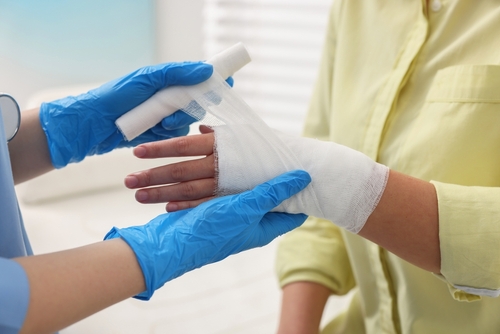
A serious burn can damage far more than the surface of the skin. Deep burns may injure nerves, muscles, tendons, joints, blood vessels, and bone. Smoke or chemical inhalation can damage the lungs and airway, while electrical exposure may cause internal injuries that are much more extensive than the visible wound suggests.
Burn survivors may face emergency surgery, skin grafting, infection, painful dressing changes, permanent scarring, reduced movement, emotional trauma, and months or years of rehabilitation. A severe injury can prevent a person from returning to work, caring for family members, or participating in activities that were once part of everyday life.
Sexner Injury Lawyers LLC represents people who suffer serious burns because of unsafe property, workplace hazards, vehicle fires, explosions, dangerous products, electrical contact, chemical exposure, medical errors, and other preventable events. We investigate what happened, identify every potentially responsible party, preserve physical evidence, and document the injury’s present and future consequences.
Call (312) 243-9922 or contact Sexner Injury Lawyers LLC online for a free and confidential case evaluation. When we accept a burn injury case, attorney fees are collected only if compensation is recovered.
Burn Injuries Are a Serious Public Health Problem
The American Burn Association’s current national fact sheet reports hundreds of thousands of fire-, burn-, and hot-substance injuries requiring medical care in the United States. It also estimates approximately 29,000 hospital admissions for burns each year.
Additional national information is available from the American Burn Association’s burn incidence and treatment resource.
A person’s prognosis cannot be determined from a national statistic. The outcome of an individual injury depends on the burn’s depth, size, location, cause, associated trauma, inhalation exposure, infection risk, age, prior health, and speed of appropriate treatment.
How Doctors Determine Burn Severity
Burn severity is not based on appearance alone. Healthcare professionals evaluate several factors, including:
- The depth of tissue damage
- The percentage of the body affected
- The location of the burn
- The patient’s age and health
- Whether smoke, steam, or chemicals were inhaled
- Whether electrical current passed through the body
- Whether the injury involved an explosion, fall, fracture, or other trauma
- Whether the wound became contaminated or infected
- Whether circulation, breathing, or organ function is threatened
A relatively small burn can still be extremely serious when it involves the face, hands, feet, genital area, perineum, eyes, airway, or a major joint.
Burn Depth and the Traditional Degree System
People commonly describe burns as first-, second-, or third-degree injuries. Medical professionals increasingly use terms that more accurately describe the depth of tissue damage.
Superficial Burns
A superficial burn affects only the epidermis, which is the outer layer of skin. The area is generally red, dry, tender, and capable of blanching when pressed. A typical sunburn is an example.
Superficial burns often heal without permanent scarring, but extensive sun exposure, dehydration, or burns involving a medically vulnerable person may still require professional evaluation.
Superficial Partial-Thickness Burns
These burns extend through the epidermis into the upper portion of the dermis. The skin may be red, moist, blistered, and extremely painful.
Many superficial partial-thickness burns heal without surgery when properly treated, but infection, wound depth, location, and healing time can affect the risk of scarring.
Deep Partial-Thickness Burns
A deep partial-thickness burn extends farther into the dermis. The wound may appear pale, mottled, or less moist and may not blanch normally. Because deeper nerve endings have been damaged, portions of the wound may be less painful than a shallower burn.
Deep partial-thickness burns have a greater risk of infection, delayed healing, hypertrophic scarring, contracture, and loss of motion. Skin grafting may be recommended.
Full-Thickness Burns
A full-thickness burn destroys the epidermis and dermis and may extend into underlying fat. The area can appear white, brown, black, leathery, waxy, or charred.
The central portion may feel numb because nerve endings have been destroyed, even though surrounding areas remain extremely painful. Full-thickness burns generally require specialized treatment and frequently require surgical removal of damaged tissue and skin grafting.
Burns Extending into Muscle or Bone
Some injuries extend beyond the skin and fat into muscle, tendons, joints, or bone. These are sometimes informally called fourth-degree burns.
They can cause permanent loss of function, infection, tissue death, amputation, or death and require immediate specialized care.
Medical information about burn depth is available from MedlinePlus.
Total Body Surface Area
Doctors estimate how much of the body has sustained a partial-thickness or full-thickness burn. This measurement is commonly called total body surface area, or TBSA.
Healthcare professionals may use the Rule of Nines, the patient’s palm, or a more detailed chart to estimate the affected percentage. Children require age-adjusted calculations because their body proportions differ from those of adults.
TBSA can influence:
- Fluid-resuscitation decisions
- Need for hospitalization
- Burn-center referral
- Nutritional requirements
- Risk of infection and organ complications
- Expected need for surgery and rehabilitation
Superficial redness alone is generally not included in the TBSA calculation used for major burn management.
When Burn-Center Consultation May Be Appropriate
The American Burn Association publishes referral guidance for healthcare professionals. Immediate consultation with consideration for transfer may be appropriate for:
- Full-thickness burns
- Partial-thickness burns affecting at least 10% of the body
- Deep partial-thickness or full-thickness burns involving the face, hands, feet, genital area, perineum, or major joints
- Suspected inhalation injuries
- Burn patients with major medical conditions
- Burns accompanied by other significant trauma
- Poorly controlled pain
- Chemical injuries
- High-voltage electrical injuries
- Lightning injuries
All potentially deep burns may justify consultation. Children may also benefit from specialized referral because of pain, dressing needs, rehabilitation, family needs, and concern about possible nonaccidental injury.
The complete professional guidance is available from the American Burn Association.
Types of Burn Injuries
Fire and Flame Burns
Open flames can cause rapid and extensive injury. Common events include:
- Apartment and house fires
- Workplace and industrial fires
- Vehicle fires
- Gas explosions
- Restaurant and kitchen fires
- Furnace, boiler, and space-heater fires
- Flammable-liquid ignition
- Fireworks accidents
Fire victims may also sustain smoke inhalation, carbon-monoxide poisoning, blast injuries, fractures, lacerations, or traumatic brain injuries while attempting to escape.
Scald Burns
Scalding results from hot liquid or steam. Children, older adults, nursing-home residents, people with disabilities, and patients unable to move independently can be particularly vulnerable.
Scalding events may involve:
- Hot tap water
- Boiling water or cooking liquids
- Hot beverages
- Steam pipes and equipment
- Restaurant food or drinks
- Commercial kitchens
- Industrial processing equipment
- Radiators and heating systems
- Bathing or showering in a care facility
The temperature, contact time, clothing, age, skin thickness, and ability to escape influence the severity of a scald injury.
Contact Burns
A contact burn occurs when skin touches a hot surface. Ovens, grills, stovetops, irons, radiators, exhaust systems, industrial machinery, hot metal, asphalt, and tools can retain enough heat to destroy tissue.
A person who is unconscious, restrained, sedated, very young, elderly, or unable to move may sustain a much deeper injury because contact continues for an extended period.
Electrical Burns and Arc-Flash Injuries
Electrical current can enter the body, travel through internal tissue, and exit at another location. The visible skin wound may be small even when muscles, nerves, blood vessels, organs, or the heart have been seriously damaged.
Electrical incidents may cause:
- Deep internal burns
- Abnormal heart rhythms
- Cardiac or respiratory arrest
- Nerve and muscle damage
- Compartment syndrome
- Kidney injury from tissue breakdown
- Falls from ladders, scaffolds, poles, or lifts
- Amputation
An arc flash can generate extreme heat, pressure, light, molten metal, and explosive force without requiring direct contact with an energized conductor.
OSHA identifies electricity as a serious workplace hazard capable of causing shock, electrocution, fires, explosions, and burns. More information is available from OSHA’s electrical-safety resource.
Chemical Burns
Acids, alkalis, solvents, cleaning agents, industrial chemicals, cement, laboratory products, and improperly mixed substances can burn the skin, eyes, lungs, or digestive tract.
Chemical injury may continue while the substance remains in contact with tissue. Some chemicals penetrate deeply or produce delayed symptoms.
A serious chemical exposure may require emergency decontamination, poison-control guidance, eye irrigation, respiratory treatment, and specialized burn care. The product label, container, safety data sheet, contaminated clothing, and workplace records may become important evidence.
Smoke and Inhalation Injuries
Fire victims can suffer airway and lung damage from heated gases, smoke, steam, soot, carbon monoxide, cyanide, and toxic chemicals released by burning materials.
Possible warning signs include:
- Facial or neck burns
- Singed nasal hair
- Soot around the mouth or nose
- Hoarseness or voice changes
- Coughing or wheezing
- Black material in mucus
- Shortness of breath
- Confusion or loss of consciousness
- Exposure in an enclosed space
Airway swelling can worsen after the person leaves the fire. Suspected inhalation injury requires prompt medical assessment.
Radiation Burns
Radiation burns can result from excessive ultraviolet exposure, industrial sources, radiation-treatment errors, diagnostic equipment, or other forms of ionizing radiation.
A radiation injury may develop gradually and can affect tissues beneath the skin. Claims involving medical radiation generally require review by qualified medical and radiation experts.
Friction Burns
Road rash and similar injuries combine abrasion with heat generated by movement across a rough surface. Motorcycle, bicycle, pedestrian, industrial, and sports accidents can remove multiple skin layers and contaminate wounds with gravel, glass, dirt, and other debris.
Emergency Care After a Serious Burn
Call 911 after a major burn, suspected inhalation injury, electrical contact, chemical exposure, extensive blistering, deep tissue damage, or a burn involving the face, hands, feet, genital area, airway, or major joint.
Until emergency personnel arrive:
- Move away from fire, smoke, electricity, or chemicals only when it is safe to do so.
- Do not touch a person who remains in contact with an energized electrical source.
- Do not remove clothing that is melted or stuck to the skin.
- Do not apply ice, butter, grease, oils, toothpaste, or household remedies to a severe burn.
- Do not break blisters.
- Cover a major burn loosely with a clean, dry material if instructed and available.
- Follow emergency, poison-control, and product-specific instructions after chemical exposure.
- Inform emergency personnel about smoke exposure, loss of consciousness, chemicals, voltage, explosions, or other trauma.
Online guidance is not a substitute for emergency care or individualized medical advice.
Medical Treatment for Serious Burns
Treatment depends on the cause, depth, TBSA, location, age, medical condition, and associated injuries.
Care may include:
- Airway protection and breathing support
- Oxygen treatment
- Intravenous fluid resuscitation
- Pain medication and sedation
- Cleaning and removal of contaminated or dead tissue
- Specialized dressings
- Antibiotics when infection is present or strongly suspected
- Tetanus prevention
- Nutrition support
- Monitoring of circulation and organ function
- Physical and occupational therapy
- Psychological support
A patient with inhalation injury, a large burn, electrical damage, or significant medical complications may require intensive-care treatment.
Debridement and Wound Care
Debridement removes dead, contaminated, or nonviable tissue. It can help doctors evaluate the wound, reduce contamination, prepare the area for healing, and support skin grafting.
Dressing changes can be extremely painful and may continue repeatedly during hospitalization and outpatient recovery. Wound-care documentation can become important evidence of the injury’s depth, progression, complications, and treatment burden.
Skin Grafts and Reconstructive Surgery
A skin graft covers a wound with healthy skin obtained from another part of the patient’s body or, in some circumstances, with temporary biological or manufactured material.
A burn survivor may require:
- Excision of dead tissue
- Split-thickness or full-thickness skin grafts
- Temporary wound coverings
- Flap reconstruction
- Release of scar contractures
- Reconstruction of eyelids, lips, hands, or joints
- Laser or other scar treatment
- Multiple revision procedures as the body heals or a child grows
Graft donor sites create additional wounds that also require care and may leave scars.
Escharotomy, Fasciotomy, and Amputation
A deep circumferential burn can form rigid tissue that restricts circulation or breathing. Surgeons may need to make incisions through burned tissue to relieve pressure.
Electrical injuries and severe burns may also cause dangerous swelling within muscle compartments. Emergency surgery may be needed to preserve blood flow and nerve function.
When tissue is irreversibly damaged or infected, amputation may become necessary. A claim involving limb loss should account for prostheses, replacement devices, rehabilitation, home modifications, lost earning ability, and lifelong medical needs.
Complications of Severe Burns
Possible complications include:
- Wound infection
- Sepsis
- Shock and dangerous fluid loss
- Respiratory failure
- Carbon-monoxide or cyanide poisoning
- Pneumonia
- Kidney injury
- Abnormal heart rhythm
- Blood clots
- Loss of body temperature
- Muscle and nerve damage
- Limited joint movement
- Contractures
- Hypertrophic scars or keloids
- Chronic itching and pain
- Changes in skin color and sensitivity
- Amputation
- Emotional and psychological trauma
- Death
Scarring and Disfigurement
Burn scars may remain red, raised, thick, tight, painful, itchy, sensitive, or visibly different from surrounding skin. Scarring on the face, neck, hands, or other exposed areas can profoundly affect a person’s identity and emotional well-being.
Scar tissue crossing a joint may shorten and restrict movement. Children may require repeated treatment because scarred tissue may not grow normally with the rest of the body.
Treatment can involve:
- Compression garments
- Silicone products
- Massage
- Physical or occupational therapy
- Splinting
- Medication
- Laser treatment
- Scar-release surgery
- Reconstructive procedures
- Mental-health care
Emotional and Psychological Effects
A burn survivor may experience nightmares, anxiety, depression, post-traumatic stress, fear of fire or machinery, embarrassment, social withdrawal, sleep problems, or grief over changes in appearance and independence.
Family members may also experience emotional trauma, financial pressure, caregiver exhaustion, and changes in household responsibilities.
Psychological treatment is a legitimate part of burn recovery and may be included in an injury claim when it is medically related to the accident.
Common Accidents Leading to Burn Claims
Apartment, House, and Building Fires
A premises-liability investigation may examine whether a property owner, landlord, management company, maintenance provider, contractor, or tenant contributed to a fire or made escape unnecessarily dangerous.
Potential issues include:
- Defective or missing smoke alarms
- Unsafe electrical wiring
- Faulty heating equipment
- Gas leaks
- Blocked or locked exits
- Missing fire doors
- Inadequate maintenance
- Improper storage of flammable materials
- Building-code or fire-safety violations
- Failure to correct a known dangerous condition
More information about claims involving unsafe property is available on our premises liability page.
Workplace and Construction Burns
Workers can suffer burns from arc flashes, power lines, hot equipment, chemicals, steam, welding, molten material, explosions, defective machinery, and inadequate protective equipment.
OSHA explains that personal protective equipment may be necessary when engineering, work-practice, and administrative controls do not adequately protect workers from chemical, electrical, thermal, and other hazards.
An injured employee may have a workers’ compensation claim for medical care, temporary disability, permanent disability, vocational rehabilitation, or other benefits.
A separate third-party claim may also exist against a:
- General contractor or subcontractor
- Property owner
- Equipment manufacturer
- Maintenance or repair company
- Utility company
- Delivery company
- Architect or engineer
- Another non-employer responsible for the hazard
Related information is available on our construction accident page.
Vehicle Fires and Explosions
A collision may rupture a fuel tank, damage a battery, sever a fuel line, ignite cargo, or trap an occupant inside a burning vehicle.
Potentially responsible parties may include a negligent driver, trucking company, vehicle owner, maintenance provider, manufacturer, parts supplier, cargo company, or roadway contractor.
A defective fuel system, lithium-ion battery, wiring harness, door latch, seat, or emergency-release mechanism may support a product-liability investigation.
See our car accident and defective product pages for additional information.
Defective Consumer and Industrial Products
A dangerous heater, appliance, battery, charger, grill, pressure cooker, fuel container, power tool, medical device, chemical product, or industrial machine may cause burns because of:
- Defective design
- Manufacturing errors
- Inadequate warnings
- Missing guards or insulation
- Battery thermal runaway
- Fuel or gas leakage
- Electrical short circuits
- Failure of an automatic shutoff
- Unexpected release of steam or pressure
The product should be preserved in its post-accident condition whenever safely possible. Repairing, discarding, altering, or surrendering it before inspection may destroy critical evidence.
Gas Leaks and Explosions
Natural gas, propane, gasoline vapors, and industrial gases can ignite explosively. An investigation may involve utility records, pressure tests, odorant complaints, excavation work, installation records, appliance maintenance, ventilation, and emergency response.
Potential defendants may include a utility, pipeline operator, landlord, contractor, appliance manufacturer, fuel supplier, or maintenance company.
Restaurant, Hotel, Daycare, and Care-Facility Scalds
Customers, children, patients, and residents may be burned by spilled beverages, overheated food, bathing water, steam, cooking equipment, defective dispensers, or unsafe heating systems.
A claim may examine staff training, temperature settings, supervision, staffing, equipment maintenance, prior complaints, incident reports, and the injured person’s ability to protect or remove themselves from the source.
Medical Burns
Patients can suffer burns during surgery, diagnostic treatment, physical therapy, or other medical care. Possible causes include:
- Electrosurgical instruments
- Lasers
- Warming blankets or heating devices
- Hot or cold therapy packs
- Radiation-treatment errors
- Flammable surgical-preparation solutions
- Defective medical equipment
- Chemicals applied to the skin
- Failure to monitor an unconscious or sedated patient
- Failure to recognize or treat a developing burn
A poor medical outcome does not automatically establish negligence. A potential medical malpractice claim generally requires expert review of the standard of care, the alleged error, causation, and resulting injury.
Who May Be Responsible for a Burn Injury?
The responsible parties depend on where and how the injury occurred. Potential defendants may include:
- A negligent driver
- A vehicle or component manufacturer
- A landlord, building owner, or management company
- A business occupying or controlling the property
- A general contractor or subcontractor
- An electrician, plumber, or repair company
- A utility or gas provider
- An equipment or consumer-product manufacturer
- A distributor or retailer
- A restaurant, hotel, daycare, nursing facility, or hospital
- A doctor, nurse, therapist, or other healthcare provider
- A chemical manufacturer or supplier
- A public entity
- Another person or company whose negligence contributed to the event
Several defendants and insurance policies may apply to the same accident.
Evidence in a Burn Injury Investigation
Fire and burn evidence can disappear quickly. A damaged building may be demolished, equipment may be repaired, debris may be discarded, surveillance footage may be overwritten, and an insurer may remove a vehicle or product.
Important evidence may include:
- The fire or accident scene
- Burned appliances, products, vehicles, batteries, or equipment
- Fire-department and fire-marshal reports
- Police and emergency medical records
- 911 calls and dispatch recordings
- Photographs and video
- Security-camera footage
- Building inspection and code records
- Smoke-alarm and sprinkler records
- Electrical, gas, furnace, and boiler records
- Maintenance and repair documents
- Product recalls, warnings, and design records
- Workplace training, OSHA, and safety records
- Safety data sheets and chemical labels
- Witness names and statements
- Clothing and protective equipment
- Complete medical records and wound photographs
- Employment, wage, and disability records
Fire-origin specialists, electrical engineers, mechanical engineers, product experts, medical specialists, vocational professionals, economists, and life-care planners may be needed.
Why Prompt Evidence Preservation Matters
A fire department’s investigation focuses on public safety and origin-and-cause issues. It does not necessarily identify every civil defendant, insurance policy, product defect, maintenance failure, or financial loss.
An attorney may send preservation notices directing relevant parties not to destroy or alter:
- Vehicles and products
- Electrical components
- Fuel systems
- Security footage
- Maintenance records
- Electronic communications
- Inspection documents
- Training records
- Physical debris
Early access to the scene may allow qualified experts to document conditions before cleanup, weather, repair, or demolition changes the evidence.
Compensation in a Burn Injury Claim
Compensation depends on liability, applicable law, insurance coverage, injury severity, medical evidence, comparative fault, and future consequences.
A claim may include:
- Ambulance and emergency treatment
- Burn-center hospitalization
- Intensive-care treatment
- Surgery and skin grafting
- Wound care and dressing supplies
- Medication
- Physical and occupational therapy
- Psychological treatment
- Scar treatment and reconstructive procedures
- Prostheses and adaptive equipment
- Future medical care
- Lost wages
- Reduced future earning capacity
- Vocational rehabilitation
- Pain and suffering
- Emotional distress
- Disability
- Disfigurement
- Loss of normal life
- Property damage
- Family-related damages when allowed by law
A severe burn may qualify as a catastrophic injury because of permanent disability, disfigurement, amputation, organ damage, or lifelong treatment needs.
Future Medical Care and Life-Care Planning
Burn treatment may continue long after the wound closes. A life-care plan may evaluate:
- Future reconstructive surgery
- Scar-management treatment
- Therapy
- Medication
- Compression garments
- Prosthetic devices
- Home and vehicle modifications
- Personal assistance
- Mental-health care
- Replacement equipment
- Vocational services
Children with severe burns may require updated projections because scars, grafts, contractures, and reconstructed areas can change as they grow.
Fatal Burn Injuries
A fire, explosion, inhalation injury, electrical event, or infection may cause immediate death or death after prolonged hospitalization.
Surviving family members may need to evaluate a wrongful death claim and a survival action. Depending on the facts and law, recoverable losses may involve medical expenses, funeral costs, lost financial support, lost services, grief, sorrow, loss of society, and damages experienced before death.
Workplace Burns and Third-Party Claims
An employee burned during employment may qualify for Illinois workers’ compensation benefits even without proving that the employer was negligent.
Workers’ compensation may address:
- Reasonable and necessary medical treatment
- Temporary disability benefits
- Permanent partial or total disability
- Disfigurement
- Vocational rehabilitation
- Death benefits for qualifying dependents
Workers’ compensation generally does not provide the same categories of damages as a negligence lawsuit. A separate claim against a negligent non-employer may permit recovery for pain, suffering, loss of normal life, and other losses.
The workers’ compensation insurer may also assert reimbursement rights against a third-party recovery. Both claims should be coordinated carefully.
Medical Malpractice Burn Claims
A medical burn case has different proof requirements from an ordinary accident claim. Illinois generally requires qualified professional review addressing:
- The applicable medical standard of care
- What the provider did or failed to do
- Whether equipment malfunction or misuse was involved
- When the burn should have been recognized
- Whether earlier treatment would have reduced the damage
- The injury attributable to the alleged error
Liability may involve the medical provider, hospital, surgery center, staffing company, equipment manufacturer, maintenance provider, or more than one party.
Comparative Fault in Illinois
Illinois uses a modified comparative-fault rule in many negligence and strict product-liability cases.
An injured person found no more than 50% at fault may potentially recover damages, but the award is reduced by the assigned percentage. A person found more than 50% at fault is generally barred from recovery under that rule.
Insurers may argue that a burn survivor:
- Ignored a warning
- Misused a product
- Failed to leave a dangerous area
- Was intoxicated
- Failed to wear protective equipment
- Contributed to a collision or fire
- Delayed medical treatment
Those allegations should be tested against the complete evidence, including product design, warnings, training, property conditions, emergency circumstances, and the conduct of every responsible party.
Illinois Filing Deadlines
Illinois generally provides two years for many personal-injury claims. Different or shorter rules may apply when the case involves:
- A local public entity or employee
- Medical malpractice
- Workers’ compensation
- Product liability
- Wrongful death
- A minor
- A person under a legal disability
- Construction-related claims
- Federal law
- An accident occurring outside Illinois
Many claims against Illinois local governmental entities are subject to a one-year period. Medical-malpractice cases generally involve a two-year discovery period and a four-year repose period, subject to additional rules and exceptions.
General statutory background is available through the Illinois General Assembly:
- Personal injury limitation — 735 ILCS 5/13-202
- Local governmental limitation — 745 ILCS 10/8-101
- Medical-malpractice limitation and repose — 735 ILCS 5/13-212
These statutes do not calculate the deadline for an individual case. Evidence may also disappear long before the legal filing period expires.
What to Do After a Burn Accident
- Obtain emergency and follow-up medical care.
- Report a workplace, building, vehicle, product, or medical incident to the appropriate authority.
- Photograph the scene, product, equipment, clothing, wounds, and healing process when medically appropriate.
- Obtain the names and contact information of witnesses.
- Preserve damaged products, appliances, batteries, vehicles, clothing, and protective equipment.
- Do not permit an insurer or other party to destroy, repair, or discard important evidence without documentation and legal review.
- Save receipts, medical supplies, prescriptions, wage records, and travel expenses.
- Keep copies of fire, police, OSHA, workplace, and incident reports.
- Avoid detailed social-media posts concerning the accident, injuries, or physical activities.
- Do not sign a broad release or give a detailed recorded statement before understanding your rights.
- Contact an attorney promptly so evidence-preservation notices can be considered.
How Sexner Injury Lawyers LLC Investigates Burn Cases
Depending on the circumstances, our work may include:
- Inspecting the scene, vehicle, product, or equipment
- Preserving debris and electronic evidence
- Obtaining fire-department, fire-marshal, police, OSHA, and medical records
- Reviewing building-code, inspection, maintenance, and repair documents
- Investigating prior complaints, recalls, and similar incidents
- Interviewing witnesses
- Consulting fire, electrical, chemical, medical, product, and engineering experts
- Identifying every potentially responsible person or company
- Locating available insurance coverage
- Documenting scars, disability, pain, rehabilitation, and future treatment
- Evaluating lost earnings and future work limitations
- Preparing the case for negotiation or litigation
Since 1990, Sexner Injury Lawyers LLC has helped injured people and families pursue accountability and compensation after serious accidents, workplace injuries, medical negligence, and dangerous products. Our verdicts and settlements page provides examples of prior results. Every matter depends on its own facts, evidence, law, and insurance coverage.
Frequently Asked Questions About Burn Injury Claims
Does every burn justify a lawsuit?
No. A legal claim generally requires evidence that another person or company caused or contributed to the injury through negligence, a defective product, professional malpractice, or another legally recognized basis.
Can I bring a claim after an apartment fire?
Possibly. The investigation may consider wiring, heating systems, smoke alarms, fire doors, exits, prior complaints, code violations, maintenance, and the conduct of tenants and other parties.
Can a worker bring more than a workers’ compensation claim?
Sometimes. A third-party case may exist against a contractor, property owner, equipment manufacturer, utility, maintenance company, or another negligent party that was not the injured person’s employer.
Can an electrical burn be serious when the skin injury looks small?
Yes. Electrical current can damage internal tissue, nerves, muscles, blood vessels, and the heart. Prompt medical evaluation is important after a significant electrical exposure.
Can a restaurant be responsible for a hot-liquid burn?
Potentially. Liability depends on the liquid’s temperature, how it was handled, the container, warnings, spills, employee conduct, and whether reasonable safety practices were followed.
Can I bring a claim for permanent scars?
Scarring and disfigurement can be important components of damages. The evaluation may consider visibility, size, pain, sensitivity, contracture, future surgery, psychological effects, occupation, and effect on ordinary life.
What happens when a defective product caused the fire?
The product and related components should be preserved. Engineers may need to investigate design, manufacturing, warnings, installation, maintenance, electrical systems, batteries, and failure mechanisms.
Does an OSHA violation automatically prove my case?
No. A violation may provide important evidence, but civil liability, causation, damages, and the identity of a proper defendant require a separate legal analysis.
How much is a burn injury case worth?
There is no reliable formula. Value depends on fault, burn depth and size, affected body areas, surgeries, scarring, future care, lost earnings, insurance, comparative fault, and many other facts.
How much does the initial consultation cost?
The initial case evaluation is free. When Sexner Injury Lawyers LLC accepts a burn injury case, the contingency-fee terms are explained before representation begins.
Contact Our Burn Injury Lawyers
If you or a family member suffered serious burns in a fire, explosion, workplace accident, vehicle collision, electrical incident, chemical exposure, scalding accident, medical procedure, or event involving a dangerous product, prompt investigation can help preserve evidence and identify the responsible parties.
Contact Sexner Injury Lawyers LLC or call (312) 243-9922 for a free and confidential evaluation. We represent clients in Chicago, Arlington Heights, and throughout Illinois.