
Chicago Nursing Home Physical Abuse Lawyers
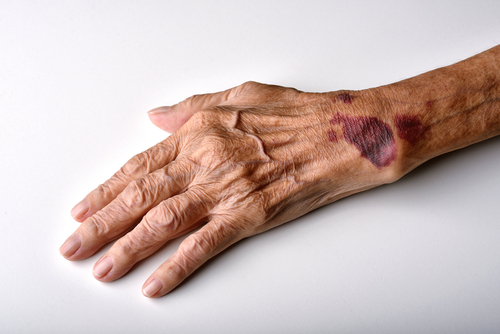 Physical abuse in a nursing home is never acceptable. When an older adult suffers unexplained bruises, cuts, fractures, restraint marks, or fear around certain staff members, the family deserves answers quickly.
Sexner Injury Lawyers LLC represents families in Chicago and throughout Illinois when nursing home residents are injured by abuse, rough handling, improper restraints, neglect, or preventable violence. Call (312) 243-9922 day or night for free information about your legal options.
What Is Physical Abuse in a Nursing Home?
Nursing home physical abuse involves the intentional or reckless use of force against a resident. It may include hitting, slapping, pushing, grabbing, kicking, pinching, shaking, rough transfers, unnecessary force during bathing or dressing, or the improper use of physical restraints.
Physical abuse may also overlap with other forms of nursing home abuse. A resident who is physically mistreated may also suffer intimidation, isolation, threats, medication misuse, financial exploitation, or emotional harm.
Warning Signs of Nursing Home Physical Abuse
Some injuries happen by accident. But repeated injuries, inconsistent explanations, or sudden changes in behavior may suggest that something more serious is happening. Families should watch for warning signs such as:
- Bruises, cuts, scrapes, burns, welts, or black eyes
- Fractures, sprains, dislocations, or repeated falls
- Marks on wrists, ankles, or arms that suggest restraints
- Untreated wounds or injuries in different stages of healing
- Fear, anxiety, withdrawal, or sudden silence around certain people
- Staff members who refuse to leave the resident alone with family
- Clothing, bedding, eyeglasses, or personal items that are broken or missing
- Explanations that change, do not make sense, or do not match the injury
These signs do not always prove abuse. They do justify careful questions, medical evaluation, documentation, and legal review.
Who Can Commit Physical Abuse Against a Nursing Home Resident?
Physical abuse can come from several sources. A careful investigation should not assume the answer before reviewing the evidence.
Nursing Home Staff and Caregivers
Employees, agency workers, aides, nurses, or other caregivers may abuse a resident directly. Abuse may occur because a staff member is violent, impatient, poorly trained, overwhelmed, or allowed to keep working despite warning signs.
When abuse involves a caregiver, the facility may be responsible for negligent hiring, training, staffing, supervision, or response. Families can also review our page about caregiver abuse.
Other Residents
Facilities must protect residents from foreseeable harm caused by other residents. If a nursing home knows that a resident is aggressive, confused, violent, or sexually inappropriate, it must take reasonable steps to protect others. When the danger involves sexual behavior, families may also need to consider whether the facts support a nursing home sexual abuse investigation.
Visitors or Family Members
In some cases, a visitor or family member may harm a resident. The nursing home may still have duties to monitor visitors, respond to complaints, and protect vulnerable residents from known risks.
Residents Who May Be Especially Vulnerable
Physical abuse can happen to any nursing home resident, but some residents face heightened risk. A person with Alzheimer’s disease, dementia, or memory problems may not be able to describe the abuse clearly, identify the person responsible, remember the timing, or explain why they suddenly feel afraid.
Residents with mobility limitations, stroke history, fragile skin, cognitive impairment, communication problems, or dependence on staff for bathing, dressing, transfers, meals, and toileting may also be easier for an abuser to target. The facility’s duty to protect does not disappear because the resident has difficulty reporting what happened.
Improper Restraints and Rough Handling
Physical restraints should not be used for punishment, staff convenience, or control. Improper restraint use can cause bruising, skin tears, circulation problems, falls, fear, humiliation, and serious injury.
Rough handling can also cause harm during transfers, bathing, dressing, toileting, repositioning, or wheelchair use. A resident should not be jerked, dragged, shoved, lifted carelessly, or handled in a way that ignores known medical risks.
How Physical Abuse Can Be Hidden
Many residents are afraid to report abuse. Others may have dementia, communication difficulties, medication effects, or medical conditions that make reporting difficult. Some residents worry that staff will retaliate after family members leave.
Facilities may also describe injuries as falls, accidents, skin tears, or normal aging. Sometimes that explanation is true. Other times, medical records, photographs, witness statements, staffing records, and prior complaints tell a different story.
Physical Abuse, Neglect, and Other Related Claims
A physical abuse case may involve more than one legal theory. Depending on the facts, a claim may include negligence, negligent supervision, assault, battery, improper restraint, failure to protect, or violation of nursing home resident rights.
Physical injuries may also connect to psychological nursing home abuse or financial abuse. When abuse, neglect, or delayed care causes a resident's death, the family may also have a wrongful death claim.
Injuries and Evidence That May Support a Physical Abuse Claim
Physical abuse cases often depend on patterns. A single bruise may have more than one possible explanation. Repeated bruises, injuries in unusual locations, injuries in different stages of healing, staff explanations that change, or a resident’s fear around a specific person can tell a more serious story.
Important evidence may include photographs, medical records, hospital records, incident reports, witness statements, staffing schedules, prior complaints, care plans, fall-risk assessments, restraint records, medication records, and communications between the facility and the family.
Families should also watch for signs that physical abuse occurred alongside neglect. Untreated wounds, delayed medical care, dehydration, infection, poor hygiene, or bedsores and pressure ulcers may show broader safety failures inside the facility.
What Families Should Do After Suspected Physical Abuse
If your loved one appears to be in immediate danger, call 911. After the resident is safe, families should take steps to preserve evidence and protect the resident from further harm.
- Get medical care for injuries right away
- Photograph bruises, wounds, restraint marks, and damaged property
- Write down dates, names, statements, and changes in behavior
- Ask the facility for incident reports and an explanation in writing
- Preserve clothing, bedding, eyeglasses, or objects involved in the injury
- Report suspected abuse to the appropriate authorities
- Speak with an experienced nursing home abuse lawyer before accepting an explanation that does not make sense
How Facilities and Insurance Companies May Defend These Cases
A nursing home may argue that injuries were caused by a fall, fragile skin, dementia, aggression by the resident, medication side effects, or an unavoidable accident. Sometimes those issues are relevant. But they should not be accepted without reviewing the records and comparing the facility’s explanation to the resident’s injuries and history.
A careful investigation can look at whether the facility documented the injury promptly, contacted the family, changed its explanation, delayed medical care, disciplined staff, preserved video, reported the incident, or had earlier warnings about the person or condition involved.
How Our Chicago Nursing Home Physical Abuse Lawyers Can Help
Sexner Injury Lawyers LLC can investigate what happened, request records, review injury photographs, examine staffing issues, identify witnesses, evaluate prior complaints, and work with medical experts when needed.
We look for evidence that the facility ignored warning signs, failed to supervise staff, failed to protect residents, delayed medical treatment, altered explanations, or allowed unsafe conditions to continue.
Speak with a Chicago Nursing Home Physical Abuse Attorney
Since 1990, Sexner Injury Lawyers LLC has helped injured people and families seek accountability after serious harm. If you believe your loved one suffered physical abuse in a nursing home, call (312) 243-9922 or contact us online.
Your call is free. We are available day or night. You pay no attorney fees unless we are successful for you.