Chicago Premises Liability Lawyers
 Property owners and businesses must take reasonable steps to keep visitors, tenants, customers, residents, and invited guests safe. When a dangerous condition is ignored, poorly repaired, hidden, or left without a proper warning, a person can suffer serious injuries in a matter of seconds.
Sexner Injury Lawyers LLC represents people injured on unsafe property in Chicago, Arlington Heights, and throughout Illinois. If you were hurt in a store, apartment building, parking lot, restaurant, office, hotel, sidewalk, stairway, public area, or another property, call (312) 243-9922 to discuss what happened and whether a premises liability claim may be available.
What Is a Premises Liability Claim?
A premises liability claim is a civil injury claim based on an unsafe property condition. These cases often involve a property owner, tenant, business operator, property manager, maintenance company, security company, contractor, or another party that had control over the location.
The legal question is usually whether the responsible party knew, or should have known, about a dangerous condition and failed to take reasonable action. That action might include fixing the problem, blocking access, improving lighting, cleaning a spill, repairing stairs, removing ice, warning visitors, or providing adequate security.
Unsafe Property Conditions That Can Cause Serious Injuries
Premises liability cases can arise from many different hazards. Some dangers are obvious, while others are hidden until someone is already hurt. A careful investigation should identify what made the location unsafe and who had the power to correct it.
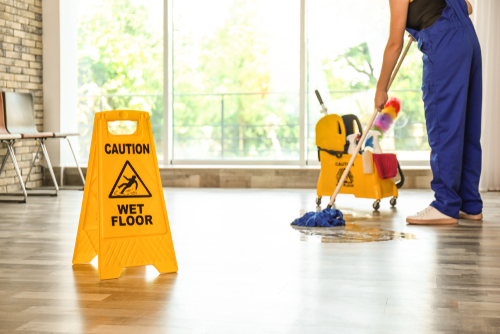
- Spills, wet floors, tracked-in rain, ice, snow, grease, or recently mopped surfaces
- Uneven flooring, torn carpeting, broken tile, holes, cracks, or raised thresholds
- Broken stairs, loose handrails, missing guardrails, or unsafe ramps
- Poor lighting in parking lots, hallways, stairwells, entrances, or common areas
- Unsafe sidewalks, walkways, balconies, decks, porches, or loading areas
- Falling merchandise, poorly stacked products, or objects left in aisles
- Defective doors, elevators, escalators, gates, locks, or automatic entry systems
- Inadequate security when a property owner ignored foreseeable crime risks
- Unsecured pools, unsafe water areas, or lack of barriers around dangerous features
- Dangerous animals, chemical exposure, electrocution hazards, or construction-related risks
Many cases involving unsafe walking surfaces overlap with slip and fall accidents. Other property cases may involve dog bites, swimming pool and drowning injuries, or negligent security connected to sexual assault and sexual abuse lawsuits.
Who May Be Responsible for an Unsafe Property Injury?
The responsible party is not always the person or company listed as the property owner. In many cases, control of the premises matters. A store may control aisles and displays. A landlord may control common areas. A restaurant may control its dining room and entryway. A management company may handle maintenance. A contractor may create a hazard during repairs or construction.
Potentially responsible parties may include building owners, commercial tenants, landlords, retailers, restaurants, hotels, apartment complexes, nursing homes, schools, security companies, maintenance companies, snow removal contractors, event venues, homeowners, and government entities.
Proving Notice and Negligence
Insurance companies often argue that the property owner did not know about the hazard or did not have enough time to fix it. That is why notice is such an important part of many premises liability cases.
Notice may be proven in several ways. A hazard may have existed long enough that reasonable inspections should have found it. Employees may have created the condition. Prior complaints may have warned the property owner. Surveillance video may show how long the hazard was present. Maintenance records may reveal ignored repairs. Photos may show a long-standing defect, such as cracked stairs, poor lighting, or a missing handrail.
Common Injuries in Premises Liability Cases
A fall, attack, collapse, electric shock, dog bite, or unsafe property incident can cause injuries that affect a person for months, years, or the rest of life. Some injuries also worsen after the accident because the body compensates for pain, instability, or reduced mobility.
- Broken bones, including wrist, ankle, arm, leg, hip, pelvis, rib, and facial fractures
- Head injuries, concussions, and traumatic brain injuries
- Neck, back, disc, nerve, and spinal cord injuries
- Knee, shoulder, elbow, foot, and ankle injuries
- Internal injuries, bleeding, organ damage, and abdominal trauma
- Burns, electrocution injuries, chemical injuries, scars, and disfigurement
- Dog bite wounds, infections, nerve damage, and emotional trauma
- Loss of mobility, chronic pain, disability, and reduced independence
If an unsafe property condition causes permanent disability, disfigurement, or life-changing harm, the case may also involve a catastrophic injury claim. If unsafe property conditions cause death, surviving family members may need to consider a wrongful death claim.
Accidents on Commercial, Residential, and Public Property
Premises liability cases may occur in almost any setting. Retail stores, grocery stores, restaurants, malls, apartment buildings, parking garages, office buildings, hotels, schools, nursing homes, entertainment venues, and private homes all may contain dangerous conditions.
Claims involving public sidewalks, municipal property, schools, parks, buses, train stations, or government buildings may involve special notice rules and shorter deadlines. Because those deadlines can affect the right to recover compensation, families should seek guidance quickly after an injury on public property.
Children, Older Adults, and Vulnerable Visitors
Some people face greater risk on unsafe property. Children may not appreciate hazards such as pools, abandoned structures, construction areas, dogs, stairways, or unsecured equipment. Older adults may suffer severe fractures or head injuries from falls that younger people might survive with less damage.
Property owners should consider foreseeable risks to visitors who may be especially vulnerable. That does not make every accident a lawsuit, but it can matter when a property owner ignored a dangerous condition that placed a foreseeable visitor at risk.
What to Do After You Are Hurt on Unsafe Property
Your health comes first. Get medical care and report the incident as soon as possible. If you can, preserve evidence before the property owner repairs the hazard, cleans the area, deletes video, or changes the scene.
- Report the incident to the property manager, owner, business or landlord
- Ask for a copy of any incident report
- Take video or photos of the hazardous condition, the surrounding area, lighting, signs, and injuries
- Save the shoes and clothing worn during the incident
- Get contact information and names of witnesses
- Write down the date, time, location, weather, and names of employees involved
- Ask whether surveillance cameras recorded the area
- Avoid giving a recorded insurance statement before understanding your rights
- Keep medical records, bills, discharge papers, therapy notes, and work restrictions
Property owners and insurers may move quickly to protect themselves. Early evidence preservation can make the difference between a disputed claim and a case supported by facts.
Compensation in a Premises Liability Case
Compensation depends on the facts of the case, the available insurance, the severity of the injury, and the proof of negligence. A claim may seek damages for emergency care, hospitalization, surgery, rehabilitation, medication, future treatment, lost wages, reduced earning ability, pain, suffering, disability, scarring, and loss of normal life.
When injuries cause permanent limitations, the claim should also consider long-term care needs, home modifications, assistive devices, future medical visits, and the impact on work and family responsibilities.
How Sexner Injury Lawyers LLC Can Help
Sexner Injury Lawyers LLC can investigate the property condition, identify responsible parties, request records, contact witnesses, review surveillance issues, analyze insurance coverage, and evaluate the full impact of the injuries. Our firm understands how property owners and insurers defend these cases, including claims that the hazard was obvious, temporary, unknown, or caused by the injured person.
We work to build a clear timeline of what happened, what should have been done, and how the unsafe condition caused harm. That investigation may include photos, maintenance records, inspection logs, prior complaints, employee statements, incident reports, weather records, medical documentation, and expert review when needed.
Talk to a Chicago Premises Liability Lawyer
If you were injured because of an unsafe condition on another person’s property, contact Sexner Injury Lawyers LLC. Call (312) 243-9922 to discuss your case with our team.
You may also contact us online. We represent injured people and families in Chicago, Arlington Heights, and throughout Illinois.