
Chicago Uber and Lyft Sexual Assault Lawsuit Lawyers
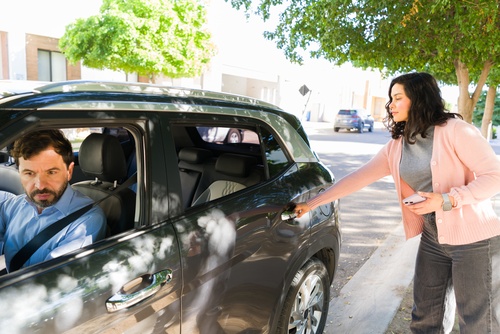 Uber and Lyft have changed how people travel in Chicago and across the country. A rideshare trip can feel simple: open an app, request a driver, get into a vehicle, and arrive at a destination. But when a rideshare driver sexually assaults, harasses, threatens, follows, traps, drugs, or exploits a passenger, that convenience becomes a source of trauma and danger.
Survivors have filed lawsuits against Uber, Lyft, and related companies alleging that rideshare platforms failed to use reasonable safety practices, failed to screen drivers properly, failed to respond to prior complaints, failed to remove dangerous drivers, and failed to protect passengers from foreseeable sexual misconduct.
At Sexner Injury Lawyers LLC, our Chicago Uber and Lyft sexual assault lawsuit lawyers represent survivors in civil claims involving sexual assault, sexual abuse, harassment, attempted assault, stalking, kidnapping, unsafe rides, and related rideshare misconduct. If you were sexually assaulted by an Uber or Lyft driver, call (312) 243-9922 for a confidential consultation.
Uber and Lyft Sexual Assault Claims Are Civil Lawsuits
A rideshare sexual assault may lead to a criminal investigation, but a civil lawsuit is different. A criminal case focuses on whether the government can prove a crime. A civil lawsuit focuses on accountability, compensation, company safety failures, and the harm suffered by the survivor.
A survivor may have a civil claim even if the driver was never arrested, the police report did not lead to charges, or the criminal case is still pending. The civil case may seek compensation from the driver, the rideshare company, and any other party whose conduct contributed to the assault or allowed a dangerous situation to continue.
Many claims against rideshare companies are part of broader sexual assault and sexual abuse lawsuits. These cases often involve negligent hiring, negligent retention, failure to warn, failure to supervise, failure to investigate complaints, unsafe app or platform practices, and failure to preserve or use safety data.
How Common Are Sexual Assaults in Rideshare Vehicles?
Rideshare sexual assault is difficult to measure because many survivors never report what happened. Trauma, shame, fear, intoxication, memory gaps, immigration concerns, privacy worries, and distrust of police or corporations can all affect reporting. Company reports therefore may not capture the full scope of the problem.
Uber has published U.S. Safety Reports that include reported serious safety incidents connected with Uber-facilitated trips. Uber’s public safety-report page explains that the reports include incidents reported to Uber in numerous ways and that Uber does not take a position on whether each reported incident occurred.
Uber’s 2019–2020 U.S. Safety Report has been widely reported to include 3,824 reports across the five most serious sexual-assault categories, including 141 reports of rape in 2020. Uber has emphasized that serious safety incidents are statistically rare compared with the total number of rides. But when a platform handles billions of trips, even a very small reported rate can still represent thousands of people.
Lyft has also published a Community Safety Report. Lyft stated that the serious safety incidents detailed in its report occurred on 0.0002% of rides and that more than 99% of rides had no safety report at all. Lyft also described background checks, monitoring, in-app safety features, and emergency-assistance options.
Public reporting and litigation show that the issue remains active. Reuters reported in April 2026 that Uber faced more than 3,300 consolidated similar lawsuits in federal court after a recent $8.5 million federal jury verdict in one rideshare sexual-assault case.
Who May Be at Increased Risk During a Rideshare Trip?
Anyone can be sexually assaulted during a rideshare trip. Sexual assault is never the passenger’s fault. The person who commits the assault is responsible for that conduct, and a rideshare company may also be responsible when its safety failures helped create or continue the risk.
Certain circumstances may make a rider more vulnerable, including:
- Traveling alone late at night or early in the morning.
- Leaving a bar, concert, party, hotel, airport, campus, casino, stadium, or entertainment district.
- Being intoxicated, tired, disoriented, separated from friends, or unfamiliar with the area.
- Being a tourist, student, young adult, minor, disabled passenger, or passenger with limited ability to communicate or exit quickly.
- Sitting in the front seat or otherwise being physically close to the driver.
- Noticing route changes, unexpected stops, locked doors, canceled rides, or pressure to continue the ride off-app.
These factors do not shift blame to passengers. They show why rideshare companies should treat passenger safety, driver screening, complaint monitoring, and emergency-response systems as serious obligations.
Types of Sexual Misconduct Reported by Uber and Lyft Passengers
Rideshare sexual assault allegations can involve many forms of misconduct. Some incidents begin with comments or route changes and escalate. Others involve immediate physical force, drugging, threats, or confinement.
Reported conduct may include:
- Sexual comments, propositions, invasive questions, or lewd remarks.
- Unwanted touching, groping, grabbing, kissing, or forced contact.
- Drivers refusing to let passengers leave the vehicle.
- Route deviations, isolated stops, or following a passenger after drop-off.
- Attempts to move the ride off the app or continue contact after the trip.
- Rape, attempted rape, sexual battery, or forced sexual acts.
- Drugging allegations, including blackouts, memory gaps, unusual odors, or suspicious drinks.
- Threats, intimidation, retaliation, stalking, or attempts to silence the survivor.
The harm can extend far beyond the ride itself. Survivors may experience post-traumatic stress, anxiety, depression, sleep problems, fear of transportation, panic, relationship strain, difficulty working, medical needs, counseling needs, and long-term emotional trauma. If the assault involved physical violence, choking, head trauma, loss of consciousness, or oxygen deprivation, the injuries may also involve a catastrophic injury or traumatic brain injury.
Potential Claims Against Uber, Lyft, and Rideshare Drivers
The driver who committed the assault may be directly responsible. But many civil lawsuits also examine whether Uber, Lyft, or another company failed to use reasonable care before, during, or after the trip.
Negligent hiring or onboarding
A negligent hiring claim may allege that a rideshare company allowed an unsafe person to drive passengers. The legal review may examine background checks, identity verification, driver history, criminal history, driving record, prior platform activity, and whether the company ignored information that should have raised concerns.
Negligent retention
A negligent retention claim may arise when a company keeps a driver active after prior complaints, safety reports, warning signs, harassment reports, stalking reports, route complaints, intoxication complaints, or other red flags. The key issue is often what the company knew or should have known before the assault.
Failure to warn
A survivor may allege that the company failed to warn riders about a known or foreseeable risk. This issue may arise when prior passengers reported sexual misconduct, unsafe behavior, threats, or similar conduct involving the same driver.
Failure to supervise, monitor, or respond
Rideshare companies collect large amounts of data, including trip routes, driver accounts, complaint histories, GPS data, cancellation records, and app communications. A civil case may investigate whether the company had systems that should have identified a dangerous pattern sooner.
Vicarious liability and agency issues
Uber and Lyft often argue that drivers are independent contractors rather than employees. That argument can affect the case, but it does not automatically end the legal analysis. Courts may still examine company control, app rules, safety policies, driver access, payment structure, passenger expectations, and whether the company’s own conduct contributed to the harm.
Evidence That Can Matter in a Rideshare Sexual Assault Case
Evidence can disappear quickly after a rideshare assault. App data may change. Video footage may be overwritten. Drivers may deactivate accounts. Companies may control information that survivors cannot access without legal action.
Important evidence may include:
- Uber or Lyft ride receipts, trip IDs, route maps, and driver profile screenshots.
- In-app messages, texts, emails, phone records, and support communications.
- Police reports, medical records, forensic exam records, and counseling records.
- Photos of injuries, clothing, location, vehicle, license plate, or surrounding area.
- Witness names, hotel records, bar records, airport records, security footage, or door-camera footage.
- GPS data, route deviations, stop locations, ride cancellation data, and post-ride contact.
- Prior complaints or safety reports involving the same driver.
- Company records about screening, monitoring, deactivation, safety alerts, and complaint handling.
Sexner Injury Lawyers LLC can send preservation letters, request records, identify potential witnesses, review the timeline, and determine whether company data may support a claim.
What Should You Do After an Uber or Lyft Sexual Assault?
There is no perfect way to respond after sexual assault. Trauma can affect memory, timing, and decision-making. Your safety and medical needs come first.
- Get to a safe place. Call 911 if you are in danger. Contact a trusted person if you can.
- Seek medical care. Medical providers can treat injuries, discuss STI or STD concerns, and explain forensic evidence options.
- Consider a police report. Reporting can help document what happened and may support a criminal investigation.
- Save evidence. Keep screenshots, receipts, driver information, clothing, photos, messages, and medical records.
- Avoid relying only on the app complaint process. Reporting to Uber or Lyft may matter, but the company’s process is not a substitute for legal representation.
- Contact a civil sexual assault lawyer. A lawyer can help preserve evidence and evaluate claims against the driver, company, and other responsible parties.
Regulatory Action, Litigation, and Public Reporting
Public proceedings show that rideshare sexual assault is not limited to isolated allegations. Courts, regulators, journalists, and survivors have examined how rideshare platforms collect safety data, respond to complaints, and manage driver access.
Uber safety reporting
Uber’s U.S. Safety Reports provide company-published data about serious safety incidents connected with Uber-facilitated trips. The reports have become important public reference points in debates about rideshare safety, sexual assault reporting, and company transparency.
Lyft safety reporting
Lyft’s Community Safety Report discusses reported serious safety incidents, safety features, background checks, continuous monitoring, emergency assistance, and support systems.
California regulatory settlement involving Uber
The California Public Utilities Commission approved a $9 million settlement with Uber related to sexual assault and harassment reporting. The CPUC stated that Uber would provide information to regulators going forward and create an opt-in process for survivors who wanted to share more information with the CPUC.
Federal rideshare sexual assault litigation
Reuters reported in April 2026 that Uber faced more than 3,300 similar consolidated federal lawsuits and had recently received an $8.5 million federal jury verdict in one case. Reuters also reported that bellwether trials could influence potential settlement discussions in the broader litigation.
These public matters do not determine whether any individual survivor has a claim. They do show why rideshare sexual assault cases often require detailed investigation into safety systems, driver history, company knowledge, and corporate response.
Compensation in an Uber or Lyft Sexual Assault Lawsuit
No lawyer can honestly promise a specific payout range without reviewing the evidence. The value of a rideshare sexual assault case depends on many factors, including the severity of the assault, physical injuries, emotional trauma, medical treatment, counseling needs, lost income, long-term impact, available evidence, prior complaints, company notice, insurance coverage, and available defendants.
A civil claim may seek compensation for:
- Medical treatment and follow-up care.
- Therapy, counseling, and trauma-related care.
- Lost wages or reduced ability to work.
- Pain, suffering, fear, anxiety, humiliation, and loss of normal life.
- Physical injuries, scarring, disability, or long-term health effects.
- Future treatment needs and safety-related expenses.
If a rideshare sexual assault, kidnapping, physical attack, or related event results in death, the family may need to consider a wrongful death claim.
How Long Do You Have to File a Rideshare Sexual Assault Lawsuit?
Time limits can be complicated. The deadline may depend on where the assault occurred, where the survivor lives, where the company can be sued, the survivor’s age, whether the survivor was a minor, whether memory repression or delayed discovery applies, whether the defendant concealed facts, and what legal theories are used.
Illinois has special rules for some sexual assault and childhood sexual abuse claims. Other states may have different rules, including short deadlines, longer deadlines, or lookback windows. Because Uber and Lyft operate nationally and rides may cross city or state lines, survivors should speak with a lawyer as soon as possible.
Waiting can also make evidence harder to obtain. App data, GPS logs, surveillance video, witness memories, police records, hotel records, medical records, and company complaint records may become harder to secure as time passes.
Why Choose Sexner Injury Lawyers LLC?
Sexual assault cases require privacy, urgency, compassion, and serious investigation. Survivors deserve a legal team that understands trauma and knows how to examine institutional responsibility.
Sexner Injury Lawyers LLC has handled civil sexual abuse and sexual assault cases involving rideshare drivers, institutions, schools, medical providers, workplaces, nursing homes, clergy, youth facilities, and other settings where people in positions of trust or access caused harm.
Our firm can investigate whether Uber, Lyft, a driver, or another responsible party failed to act reasonably. We can review app data, company records, complaint history, police records, medical records, witness information, and damages evidence. We also handle communication with insurers and defense lawyers so survivors do not have to face those conversations alone.
Our related work includes cases and content involving residential treatment facilities, schools, juvenile facilities, hospitals and medical providers, employers, nursing homes, and clergy sexual abuse.
Frequently Asked Questions About Uber and Lyft Sexual Assault Lawsuits
Can I sue Uber or Lyft if the driver sexually assaulted me?
Possibly. A claim may exist against the driver and, depending on the evidence, against Uber, Lyft, or another company. The case may focus on driver screening, prior complaints, safety policies, company knowledge, failure to deactivate, or failure to warn riders.
Do I need a criminal conviction to bring a civil lawsuit?
No. A civil lawsuit is separate from a criminal case. You may have civil options even if no charges were filed, the criminal case is pending, or the police investigation did not result in a conviction.
What if I reported the assault only through the app?
An in-app report can be important evidence, but it is not the same as having a lawyer protect your rights. The company may control the records, driver history, complaint data, and internal response. A lawyer can take steps to preserve and request that information.
What if I was intoxicated or do not remember everything clearly?
That does not mean you do not have a case. Trauma, alcohol, drugs, fear, and shock can affect memory. Evidence such as ride data, medical records, witness statements, GPS records, photos, receipts, and communications may help reconstruct what happened.
Can I keep my case private?
Privacy options depend on the court, facts, and legal strategy. Some cases may allow steps to protect identifying information, and many claims resolve confidentially. A lawyer can explain what privacy protections may be available.
How much does it cost to speak with your firm?
The consultation is confidential and free. If Sexner Injury Lawyers LLC accepts your case, attorney fees are collected only if we obtain compensation for you.
Call Our Chicago Uber and Lyft Sexual Assault Lawsuit Lawyers
If an Uber or Lyft driver sexually assaulted, harassed, threatened, followed, trapped, drugged, or harmed you, you deserve answers. Sexner Injury Lawyers LLC can review what happened, preserve evidence, investigate company responsibility, and explain your civil legal options.
Call (312) 243-9922 or contact us online for a confidential consultation with our Chicago Uber and Lyft sexual assault lawsuit lawyers.