
Mining Accident Lawyers for Illinois Workers
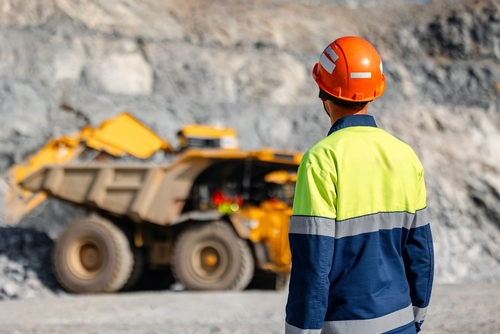 Legal Help After a Mining, Quarry, or Aggregate Work Injury
Mining work can be dangerous whether the job involves underground coal mining, surface mining, aggregate operations, quarry work, limestone mining, blasting, hauling, equipment operation, maintenance, or material processing. A serious accident can leave a worker with broken bones, burns, crush injuries, head trauma, spinal injuries, lung disease, permanent disability, or fatal injuries.
At Sexner Injury Lawyers LLC, our workers’ compensation lawyers help injured workers and families evaluate legal options after mining-related injuries. A mining accident may involve a workers’ compensation claim, an occupational disease claim, a third-party injury claim, or a death-benefit claim for surviving family members.
If you or a loved one was injured in a mine, quarry, coal operation, aggregate site, or related industrial workplace, contact Sexner Injury Lawyers LLC for a free case evaluation at (312) 243-9922 or contact us online.
Mining Accidents Are Different From Ordinary Workplace Injuries
Mining claims can be more complex than many other work injury cases because they often involve dangerous terrain, heavy equipment, underground conditions, explosives, dust exposure, confined spaces, highwalls, haul roads, conveyor systems, ventilation issues, and changing geological conditions. A single incident may involve an employer, mine operator, contractor, equipment company, truck driver, blasting contractor, maintenance company, or product manufacturer.
The legal investigation should look beyond the immediate injury. It may be necessary to determine who controlled the work area, whether MSHA or state mining rules applied, whether safety procedures were followed, whether equipment was properly maintained, whether workers were trained, whether hazards were documented, and whether a third party contributed to the accident.
Workers’ compensation may provide important benefits regardless of fault, but it may not cover every loss. When someone other than the employer contributed to the accident, a separate civil claim may also be possible.
Mining and Quarry Work in Illinois
Although the Chicago area itself is not a mining center, Illinois has coal mining, quarrying, aggregate, limestone, sand, gravel, and other mineral-related work in other parts of the state. Workers may also live in Illinois but travel to mining or industrial jobs in nearby states.
Illinois mining claims may involve state and federal safety rules. The Illinois Department of Natural Resources oversees important parts of mine safety and training, and the Illinois Coal Mining Act requires regular state inspections of coal mines. Depending on the type of operation, MSHA rules may also apply.
Because mining work can involve multiple locations and multiple employers, the first legal question is often which workers’ compensation system applies. The answer may depend on where the accident occurred, where the worker was hired, where the employer is based, where the work was principally performed, and what employment agreements or assignments were involved.
Common Types of Mining Accidents
Mining injuries may occur underground, on the surface, at preparation plants, in quarries, on haul roads, around conveyors, or during equipment maintenance. Some injuries happen suddenly. Others develop over years of exposure to dust, silica, chemicals, vibration, noise, or repetitive strain.
- Powered haulage accidents involving haul trucks, loaders, shuttle cars, conveyors, locomotives, or mobile equipment;
- collisions, rollovers, runovers, backup accidents, and struck-by incidents;
- falls of roof, rib, face, highwall, or loose material;
- machinery accidents involving crushers, conveyors, drills, loaders, cutting machines, and processing equipment;
- explosions, methane ignition, coal dust ignition, fires, and gas exposure;
- blasting accidents involving flyrock, misfires, premature detonation, or unsafe exclusion zones;
- slips, trips, and falls on uneven ground, wet surfaces, ladders, platforms, or equipment;
- electrical injuries, burns, arc flash injuries, and contact with energized equipment;
- respiratory disease caused by coal mine dust, silica, diesel exhaust, asbestos, or other hazardous exposures;
- fatal mining accidents requiring evaluation of workers’ compensation death benefits and possible wrongful death claims.
Workers’ Compensation After a Mining Accident
If a mining injury arose out of and occurred in the course of employment, workers’ compensation benefits may be available. These benefits may apply even if the worker made a mistake, even if no one intended for the injury to happen, and even if the employer disputes part of the claim.
Depending on the facts, benefits may include reasonable and necessary medical care, temporary total disability benefits, temporary partial disability benefits, permanent partial disability benefits, permanent total disability benefits, vocational rehabilitation, and death benefits for eligible family members after a fatal mining accident.
Mining claims can become disputed quickly. The insurance company may argue that the injury did not happen at work, that the worker was an independent contractor, that treatment is excessive, that the worker can return to modified duty, that a pre-existing condition caused the symptoms, or that the worker did not file paperwork on time.
Powered Haulage and Heavy Equipment Accidents
Powered haulage is one of the most serious hazards in mining. Large trucks, loaders, shuttle cars, excavators, conveyors, and other equipment may operate in areas with limited visibility, changing grades, unstable ground, blind spots, dust, noise, and tight work zones.
A powered haulage accident may involve a worker struck by a vehicle, pinned between equipment, run over, caught in a conveyor, injured in a rollover, or hurt when equipment backs up without warning. These cases may require review of traffic plans, berms, backup alarms, cameras, lighting, seat belt use, maintenance records, training, communication systems, and equipment inspection logs.
When a commercial vehicle or haul truck causes injury, the case may also involve a separate truck accident or third-party negligence claim, depending on who owned, operated, maintained, or controlled the equipment.
Roof, Rib, Face, Highwall, and Ground-Control Failures
Ground-control failures can cause catastrophic mining injuries. Underground workers may be injured by roof falls, rib rolls, collapses, or falling rock. Surface workers may be injured by highwall failures, falling material, unstable slopes, or sliding ground.
These accidents may involve geology, blasting history, inspection practices, scaling, roof bolts, support systems, highwall design, warning signs, hazard mapping, and whether workers were kept out of dangerous areas. The evidence may include inspection reports, mine maps, photographs, pre-shift examinations, MSHA records, witness statements, and expert analysis.
Machinery, Conveyor, Crusher, and Maintenance Accidents
Mines and quarries use powerful equipment to cut, crush, convey, screen, drill, load, and process materials. Workers may be injured by conveyors, crushers, loaders, drills, screens, belts, pulleys, gears, mobile equipment, and processing machinery.
Some injuries happen during ordinary production. Others occur during cleaning, maintenance, repair, inspection, unjamming, belt adjustment, equipment setup, or lockout/tagout work. A machine accident may involve missing guards, defective equipment, poor maintenance, inadequate training, unsafe lockout procedures, or pressure to keep production moving despite known hazards.
These cases may require fast evidence preservation because equipment may be repaired, parts may be replaced, belts may be adjusted, and video footage may be overwritten shortly after the accident.
Blasting, Explosions, Fires, and Gas Exposure
Mining work may involve explosives, combustible dust, methane, diesel exhaust, toxic gases, confined spaces, and ventilation hazards. Serious injuries may result from premature blasts, misfires, flyrock, inadequate blasting zones, methane ignition, coal dust explosions, fires, carbon monoxide exposure, or oxygen-deficient environments.
Blasting and explosion cases often require specialized investigation. Evidence may include blast plans, explosive storage records, detonation logs, warning procedures, evacuation records, ventilation records, gas-monitoring records, training documents, contractor records, and MSHA or state investigation materials.
Black Lung, Silica, and Other Occupational Mining Diseases
Not every mining injury happens in a single accident. Coal miners and other mine workers may develop occupational diseases after long-term exposure to coal mine dust, silica, diesel particulate matter, asbestos, welding fumes, chemicals, or other hazardous substances.
Coal workers’ pneumoconiosis, commonly known as black lung disease, is caused by inhaling coal mine dust and can become severe. Silica exposure can also contribute to serious respiratory disease. NIOSH provides black lung screenings to coal miners through the Coal Workers’ Health Surveillance Program.
Workers may also have claims involving occupational diseases and repetitive trauma. In some mining-related cases, exposure to older industrial materials may also raise issues involving asbestos and mesothelioma.
Serious Injuries Caused by Mining Accidents
Mining accidents can cause injuries that affect every part of a worker’s life. A worker may need emergency care, surgery, rehabilitation, long-term medication, assistive devices, vocational retraining, or permanent work restrictions.
- Crush injuries, fractures, and internal injuries;
- spinal cord injuries and paralysis;
- traumatic brain injuries and loss of consciousness;
- burn injuries caused by explosions, fires, chemicals, electricity, or hot equipment;
- amputation injuries, degloving injuries, and severe lacerations;
- hearing loss, vision loss, and nerve damage;
- respiratory disease, black lung, silicosis, asbestosis, or other toxic exposure conditions;
- fatal injuries involving workers’ compensation death benefits and possible wrongful death claims.
When a mining injury permanently affects independence, mobility, work ability, or daily life, the claim may also involve a catastrophic injury.
Third-Party Claims After Mining Accidents
Workers’ compensation is often the main claim against the employer, but it may not be the only claim. If someone other than the employer contributed to the injury, a separate third-party civil claim may be possible.
Potential third parties may include equipment manufacturers, maintenance contractors, blasting contractors, trucking companies, subcontractors, mine owners, property owners, safety consultants, engineering firms, staffing companies, or contractors responsible for equipment, inspection, training, or hazardous work areas.
Third-party claims can be important because workers’ compensation may not provide the same damages available in a civil lawsuit. Depending on the facts, a civil claim may allow recovery for pain and suffering, loss of normal life, disfigurement, disability, future losses, and other damages not fully addressed by workers’ compensation.
Evidence That May Help Prove a Mining Accident Claim
Mining accident evidence can disappear quickly. Equipment may be moved, haul roads may be graded, dangerous conditions may be corrected, video footage may be overwritten, and witnesses may rotate to other sites. Early investigation can make a major difference.
- Accident reports, incident reports, and employer records;
- MSHA reports, state inspection records, citations, and safety findings;
- photographs, video footage, dashcam footage, and site-camera footage;
- mine maps, haul-road plans, highwall records, roof-control plans, and ventilation records;
- equipment inspection logs, maintenance records, repair tickets, and manufacturer manuals;
- training records, toolbox talks, shift reports, pre-shift examinations, and hazard reports;
- blast plans, detonation records, gas-monitoring records, and evacuation records;
- medical records, work restrictions, surgery records, therapy notes, and permanency opinions;
- witness statements from miners, supervisors, contractors, drivers, mechanics, or safety personnel;
- expert review by mining safety, engineering, medical, vocational, or economic specialists.
What to Do After a Mining Accident
Your health comes first. Get medical care, report the accident, and follow medical instructions. Mining injuries may involve serious internal injuries, respiratory exposures, neurological trauma, crush injuries, or delayed symptoms that are not immediately obvious.
- Report the accident or exposure to your employer as soon as possible;
- write down when, where, and how the injury happened;
- identify the mine, quarry, contractor, equipment, machine, truck, or work area involved;
- get the names of witnesses, supervisors, contractors, and safety personnel;
- save photographs, videos, medical records, work restrictions, and wage-loss information;
- do not sign settlement papers, releases, or insurance forms before legal review;
- speak with a lawyer if benefits are denied, delayed, reduced, or disputed.
Insurance Company Disputes in Mining Injury Cases
Insurance companies may dispute mining claims for many reasons. They may argue that the injury was not work-related, that the worker was an independent contractor, that the injury came from a pre-existing condition, that the treatment is unnecessary, that the worker can return to work, or that the disability rating is too high.
Occupational disease claims can be especially contested because exposure may have happened over many years. The insurance company may argue that lung disease, hearing loss, vibration injuries, or other conditions were caused by age, smoking, non-work exposures, prior jobs, or unrelated medical problems.
A lawyer can help review the denial, gather medical and employment evidence, identify third-party claims, file appropriate workers’ compensation documents, and protect the worker’s rights during settlement negotiations or hearings.
Why Choose Sexner Injury Lawyers LLC?
Since 1990, Sexner Injury Lawyers LLC has represented injured workers and families in Illinois. Mining, quarry, and aggregate injury claims can involve complex safety rules, severe injuries, occupational disease issues, multiple responsible parties, and long-term financial consequences.
Our firm has handled significant workers’ compensation and third-party injury matters. You can learn more about our past work by reviewing our verdicts and settlements.
Contact Our Mining Accident Lawyers
If you were injured in a mine, quarry, coal operation, aggregate site, haulage accident, machinery incident, blasting accident, highwall failure, roof fall, or occupational disease claim, legal advice can help protect your rights. Contact Sexner Injury Lawyers LLC for a free case evaluation at (312) 243-9922 or contact us online.
Additional Mining Safety and Workers’ Compensation Sources
For general background, you may review the Mine Safety and Health Administration, MSHA’s mine fatality reports, MSHA’s powered haulage safety information, the Illinois DNR page on mine inspections, the Illinois DNR page on mining regulations and publications, the NIOSH Coal Workers’ Health Surveillance Program, and the Illinois Workers’ Compensation Commission Handbook. These sources provide general information and do not replace legal advice about a specific mining accident claim.